
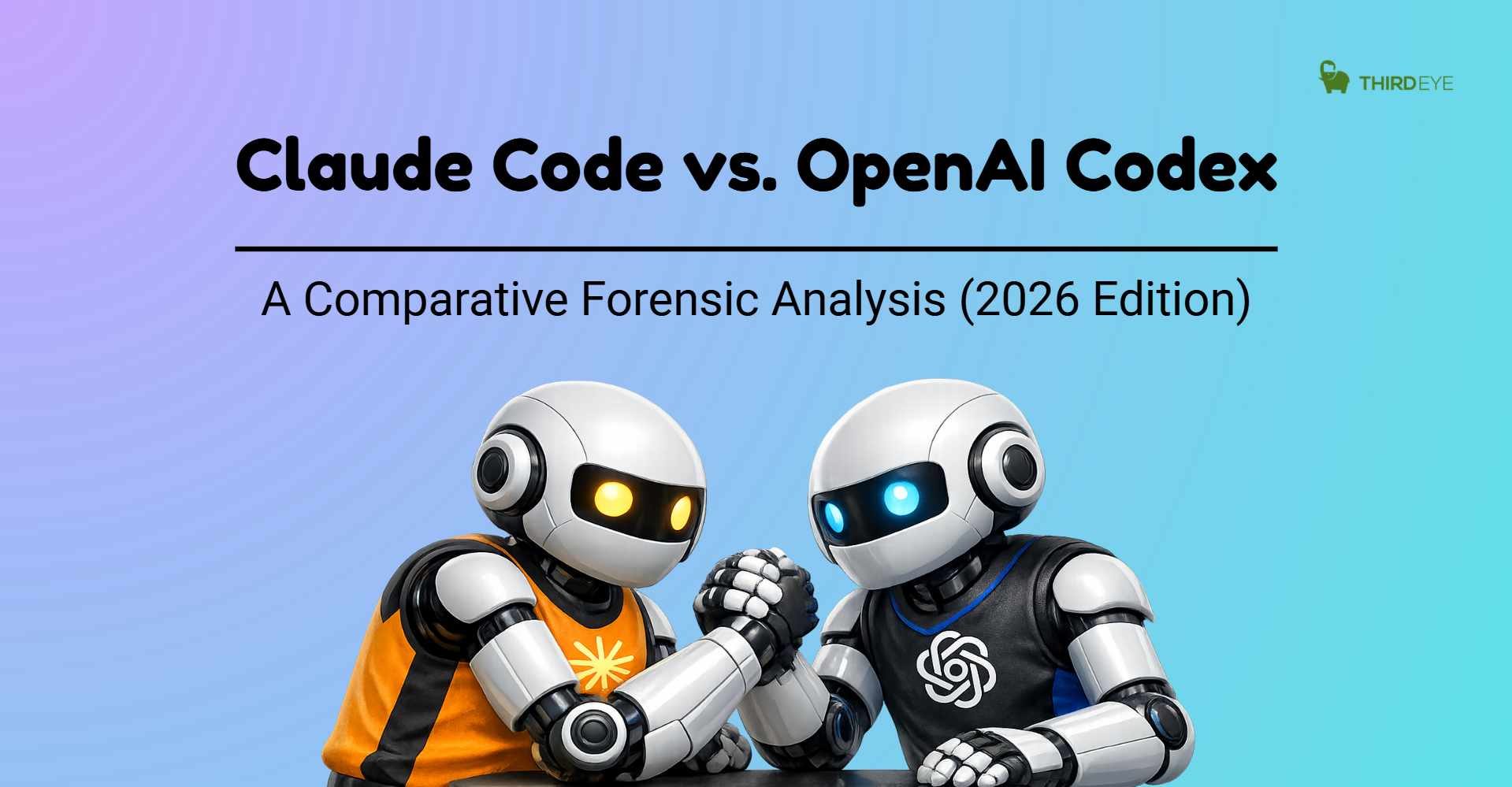
In the first quarter of 2026, the “AI Summer” transitioned into the “Agentic Autumn.” The novelty of chatbots has worn off, replaced by the grim reality of production-grade autonomous coding. The two titans, Anthropic and OpenAI have diverged so sharply in their architectural philosophies that choosing between them is no longer about “which model is smarter,” but “which workflow defines your engineering culture.”
The headline-grabbing shutdown of Sora in April 2026 wasn’t a failure of technology; it was a desperate reallocation of compute. Internally, OpenAI’s “Stargate” infrastructure initiative (aiming for $600B in compute by 2030) is hungry. By killing Sora, OpenAI signaled that agentic coding is the only path to the “Automated Economy.”
However, this pivot comes amid a massive brain drain. With key research staff departing for boutique labs, the “new” Codex (GPT-5.3/5.4) feels like a powerhouse engine in a shaky chassis. It is fast, but it lacks the “constitutional” guardrails that made earlier versions feel safe.
When you use these tools hands-on, the difference is immediate and visceral.
Anthropic’s Claude Code (powered by Claude 4.6 Opus/Sonnet) lives in your local shell. It utilizes the Model Context Protocol (MCP) to act as a system-level participant.
OpenAI has doubled down on asynchronous delegation. Codex (GPT-5.4) typically runs in an isolated, cloud-hosted container.
The most shocking trend of 2026 is Anthropic’s 70% win rate in new enterprise deals. This isn’t just about the model; it’s about the “Professional Identity.”
Metric (March 2026) | Anthropic (Claude) | OpenAI (Codex/GPT) |
|---|---|---|
New Business Win Rate | ~70% | ~30% |
Revenue Growth | 10x YoY | 3.4x YoY |
Financial Outlook | Cash flow positive by 2027 | Projected $14B loss in 2026 |
Core Philosophy | Safety & Precision | Scale & Consumer "Super-App" |
Enterprises are choosing Claude because of predictability. Anthropic’s “Constitutional AI” isn’t just a marketing term anymore; it’sa set of hard constraints that prevent the model from “hallucinating” API keys into logs or bypassing security protocols. OpenAI’s shift toward a “consumer super-app” has made CTOs nervous that their developer tools are becoming secondary to ChatGPT’s travel-booking features.
We performed a head-to-head test: Migrating a legacy Node.js monolith to a Go microservices architecture.
At ThirdEye Data, we’ve stress-tested both tools across real enterprise AI engagements and workflows. Our conclusion mirrors this analysis: Claude Code isn’t just a coding assistant, it’s a production accountability layer. For clients where a single schema error can cascade into regulatory exposure or downtime, the “senior dev who reads the docs first” philosophy isn’t a luxury, it’s the only acceptable operating mode.
Our AI engineering teams have adopted a hybrid orchestration approach similar to what this article describes: Codex for rapid scaffolding and iteration velocity, Claude Code as the architectural review and compliance checkpoint. The result? Faster delivery and fewer post-deployment surprises.
The enterprise clients we serve aren’t buying AI tools. They’re buying AI accountability. That’s what shapes our toolchain decisions, and it’s increasingly what shapes theirs.
The most sophisticated teams in 2026 have moved to a Hybrid Agent Orchestration. They use Codex for the “fast-twitch” autocomplete and initial scaffolding, then pipe the output into a Claude Code “Reviewer Agent” to find the architectural flaws.
In the battle for the IDE, Anthropic is winning the mindshare of the professional engineer, while OpenAI is winning the market share of the high-speed autonomous agent.
The question for your team is:
Do you want a tool that works for you, or an agent that works with you?
ai solutions, assistants, predictive analytics, ai development, google cloud, thirdeye data, big data solutions, data engineering, data science services, thirdeye, data engineering services, software development, ecotrak