


ThirdEye Data Logo - For Official Use

AI Solutions for the Energy & Utility Industry

ThirdEye Data works with energy and utility organizations as a domain-aware AI engineering partner. We build applied AI systems that strengthen decision-making, reduce operational risk, and support automation while fitting into existing utility systems and governance models.

AI Solutions for Energy & Utility Inudustry

What We Do for Energy & Utilities: Business Value We Bring In

We help utilities use AI where it directly impacts reliability, safety, and operational efficiency.

Our work focuses on areas where decisions are high-risk, time-sensitive, and dependent on multiple data sources. This includes asset health monitoring, wildfire risk reduction, vegetation management, and demand forecasting.

By combining AI engineers with domain expertise in grid operations, field inspections, environmental risk, and regulatory compliance, we design systems that utilities can trust in real-world conditions.

Our solutions do not replace existing platforms or processes. They add an intelligence layer that helps teams prioritize actions, anticipate failures, and respond faster with confidence.

Our Valuable Customers Who Trusted Us

Energy & Utility AI Solutions We Deliver

Each solution below can be implemented independently based on regulatory scope, asset type, and operational maturity.

ai-consulting-services-thirdEyeData

Vegetation Indices Analysis

Vegetation management is essential for preventing outages, equipment damage, and wildfire incidents. Traditional inspection methods are slow, manual, and difficult to scale.

We design AI systems that analyze satellite imagery, aerial data, and field observations to calculate vegetation indices and identify areas of concern near grid assets.

These insights help utilities plan trimming schedules, optimize field resources, reduce manual inspections, and improve compliance with vegetation management regulations.
Predictive Maintenance for Grid Assets

Grid assets such as transformers, lines, and substations are expensive, distributed, and often difficult to monitor continuously.

We build predictive maintenance systems that analyze sensor data, inspection records, operational history, and environmental factors to assess asset health and failure risk.

These systems help utilities move from reactive maintenance to condition-based planning, reduce unexpected outages, extend asset life, and prioritize maintenance investments based on risk rather than fixed schedules.
Our Project References

Built an AI-powered platform that can detect the quality of the third-party-provided electric poles’ images and process them for anomaly detection to avoid potential hazards.

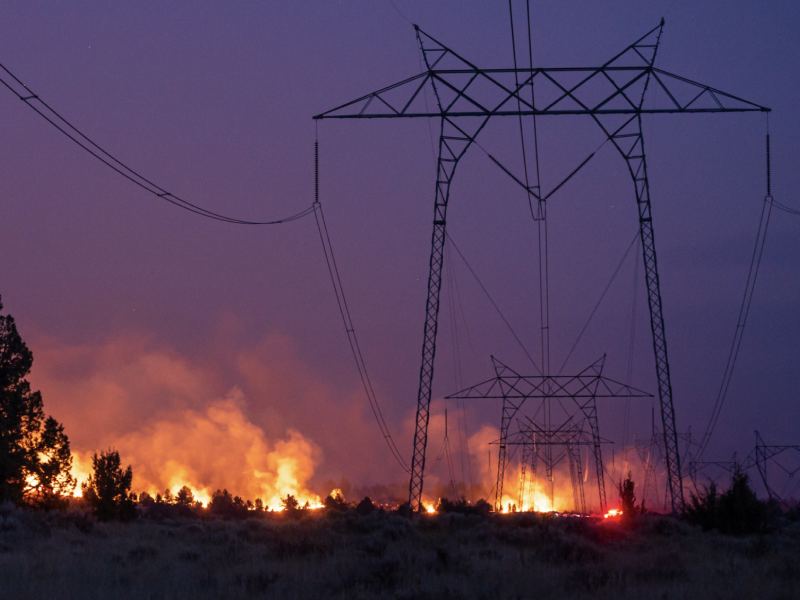
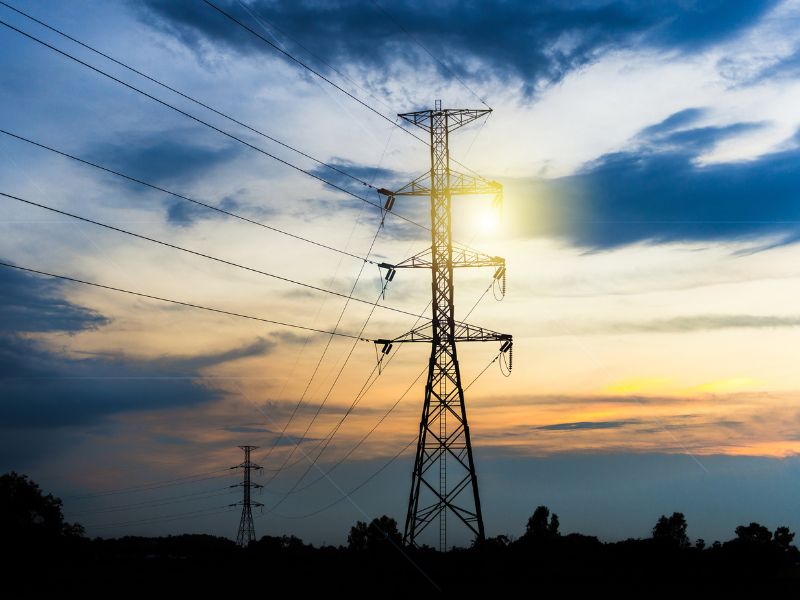
Developed and deployed an AI-powered computer vision solution to detect anomalies in electric poles and predict potential failures that could result in service disruptions or wildfires.

Answering Frequently Asked Questions

Yes. We design systems with regulatory compliance in mind from the start. This includes data lineage, audit trails, explainable outputs, and clear documentation to support regulatory review and reporting.

We integrate multiple data sources such as weather, vegetation indices, asset condition data, and historical incidents. These inputs are processed together to assess risk levels and support prioritization, rather than relying on a single data source.

Yes. We design integration layers that connect with existing operational systems, data platforms, and field tools without disrupting current workflows.

Accuracy depends on data quality and context. We work closely with utility teams to calibrate models, validate outputs, and continuously improve predictions using real-world feedback.

We design systems to work with imperfect data by combining multiple data sources and applying confidence scoring. The goal is decision support, not absolute certainty.

Yes. Utilities evolve continuously. We support ongoing tuning, model updates, data integration, and system enhancements over the long term.

CONTACT US