
Your organization knows more than it can find. That gap costs more than you realize.
Critical knowledge is locked in documents, systems, and people that your team cannot search effectively. ThirdEye builds AI-powered knowledge intelligence that makes your institutional knowledge accessible, searchable, and usable by everyone who needs it. We have deployed enterprise knowledge systems for organizations where finding the right answer takes seconds instead of hours.




Your organization has spent years building knowledge. It lives in contracts negotiated over a decade, policies refined through hard experience, project records documenting what worked and what did not, and the expertise of people who have solved your hardest problems before. Most of that knowledge is effectively invisible. It exists, but your team cannot find it quickly enough to be useful when a decision is being made or a question needs an answer. Research on enterprise knowledge management consistently shows that employees spend around 20 percent of their working week searching for information that already exists somewhere in the organization.
The consequences are compounding and largely invisible to leadership. New hires take 3 to 6 months to reach full productivity not because they lack capability but because they cannot access the context they need. The same operational problems get solved from scratch by different teams because past solutions are buried in folders nobody searches. When your most experienced people leave, their practical knowledge of how your systems really work, which suppliers are reliable, which workarounds have been tried, leaves with them. Compliance teams interpret policies inconsistently because the authoritative version is hard to locate and easy to overlook. These are not small inefficiencies. They are systemic drains on organizational capability.
ThirdEye Data builds Enterprise Knowledge Intelligence systems that convert your fragmented documents, records, policies, and content into secure, searchable, and decision-ready knowledge. Employees ask questions in plain language and receive accurate, source-cited answers in seconds. New hires access the institutional context that used to require months of relationship-building to acquire. Expert knowledge is captured and made accessible before it walks out the door. The knowledge your organization has worked years to accumulate finally works for the people who need it.
We have solved multiple knowledge access problems that cost organizations more than they measure. Find the ones where your teams are losing time, making inconsistent decisions, or operating without the institutional context they need.
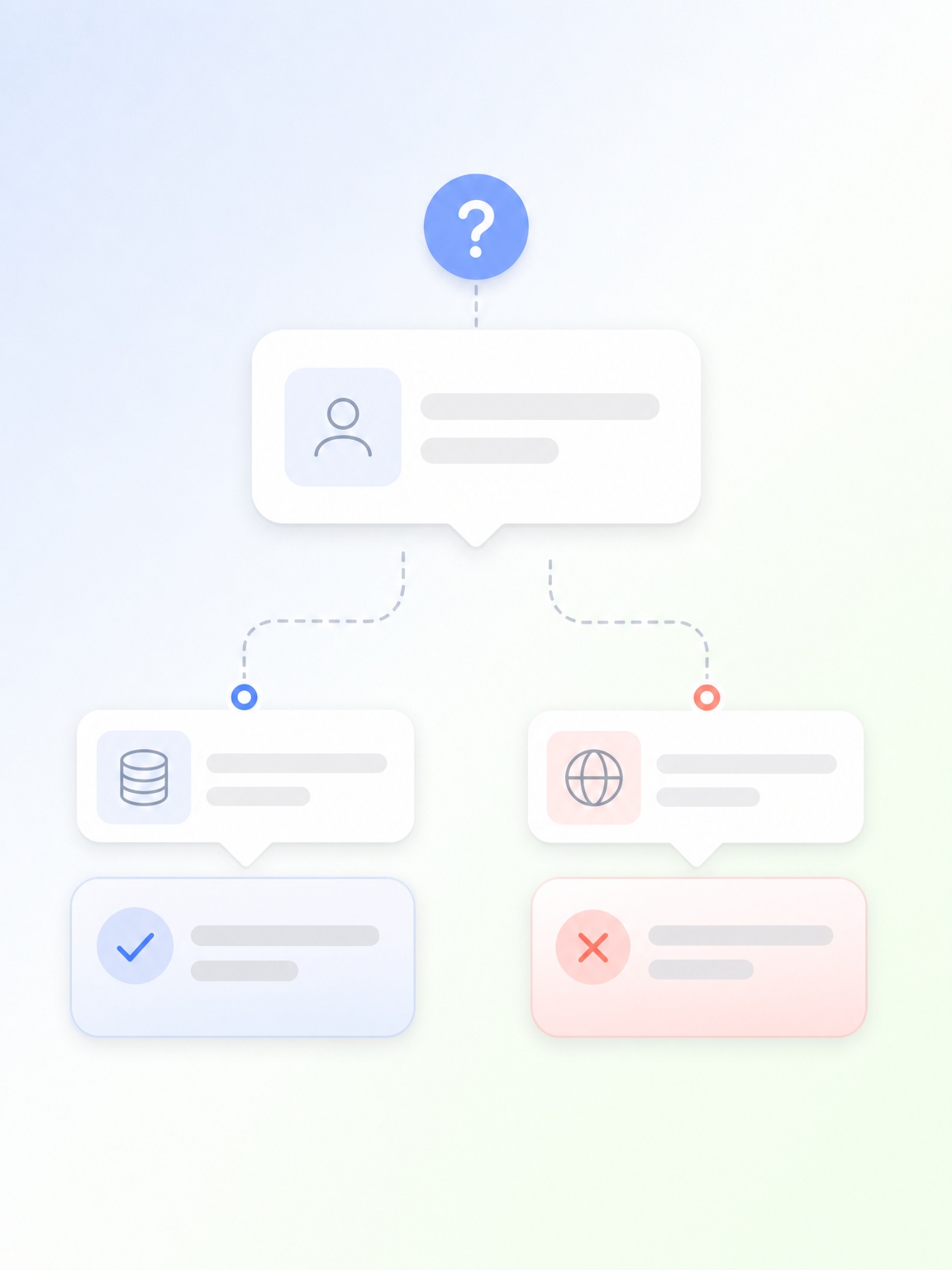
Sales, support, and account teams interact with customers across a wide range of questions: product specifications, service terms, pricing conditions, implementation timelines, and resolution commitments. When the answers to these questions are scattered across multiple systems, outdated documents, and individual email threads, different team members give different answers to the same question.
Inconsistent customer-facing information is a leading cause of trust erosion and customer escalation in service-intensive businesses.
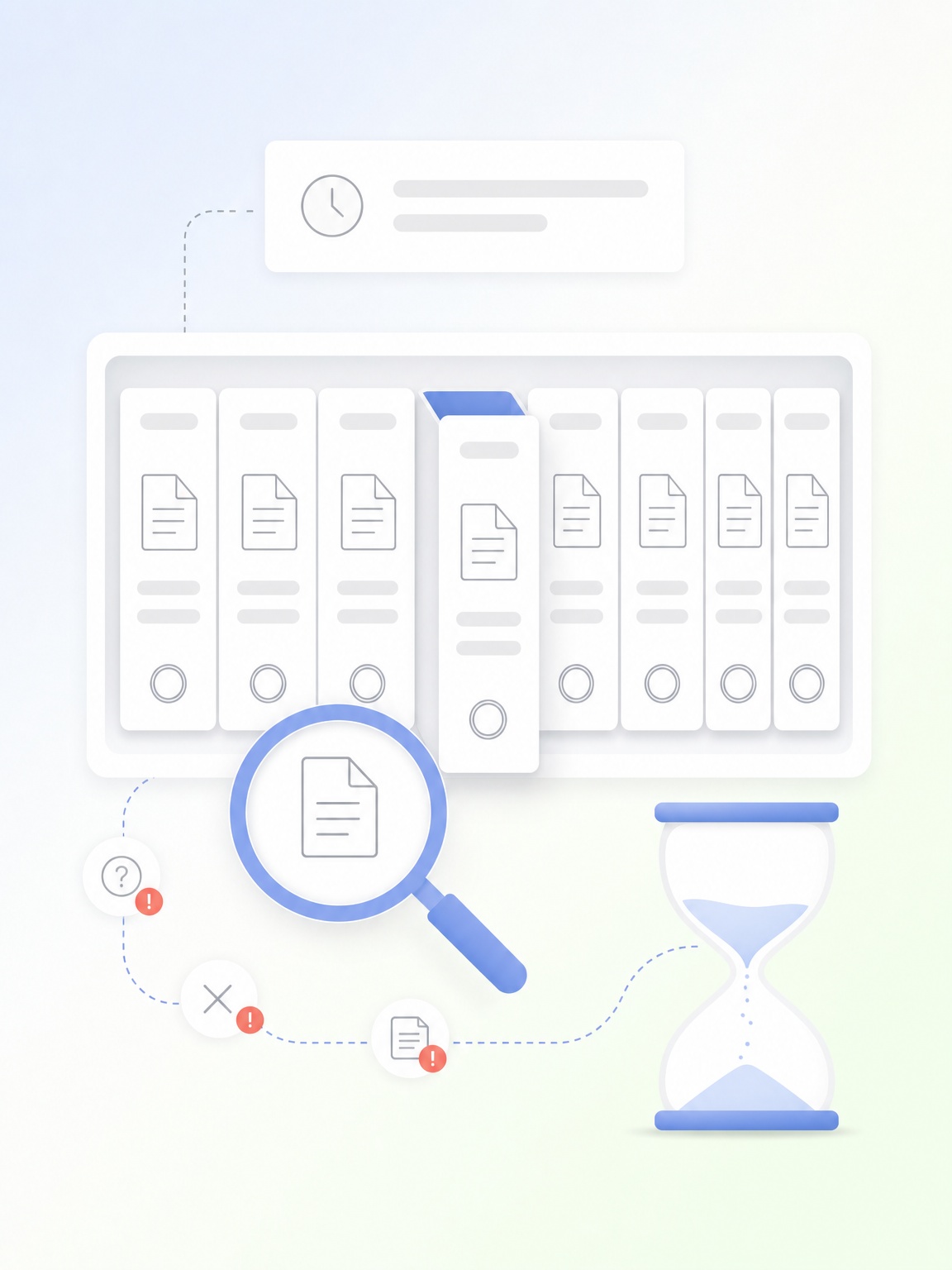
Compliance and regulatory requirements change frequently across industries. Internal policies are updated, regulatory guidance is revised, and interpretations evolve. In most organizations, the authoritative version of a policy is hard to locate, the most recent update is not always distributed to the people who need it, and interpretation of what a policy requires in a specific operational context requires specialist knowledge that is concentrated in a small compliance team.
Inconsistent policy interpretation is one of the most common root causes of compliance findings during regulatory audits.
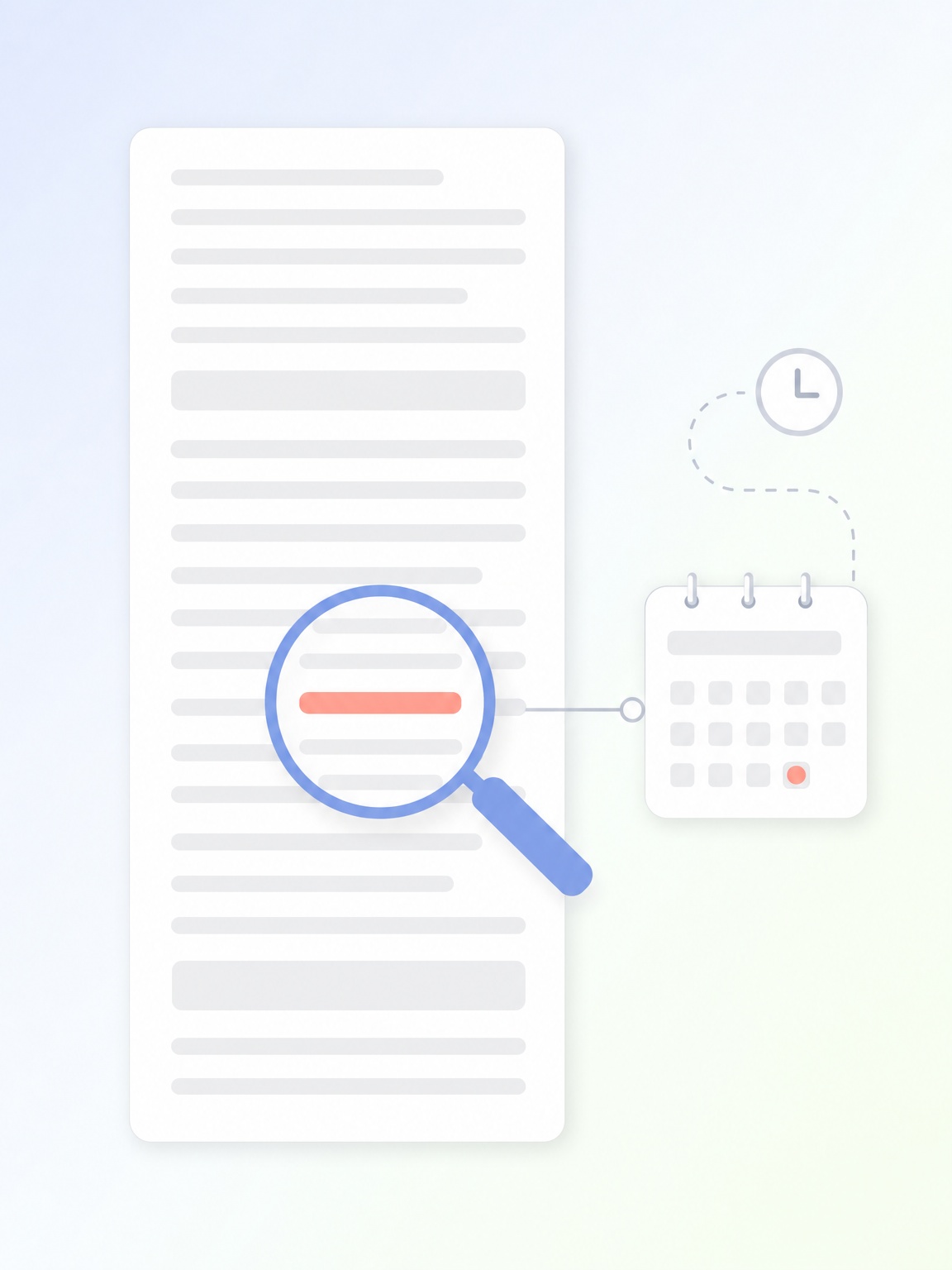
Contracts are among the most knowledge-dense documents an organization holds. They contain obligations, payment terms, renewal dates, liability limits, performance clauses, and relationship history that are directly material to business decisions. Yet in most organizations, contract intelligence is effectively inaccessible. Legal and procurement teams spend significant time on contract research that should take seconds.
Research on contract management consistently shows that organizations with poor contract visibility fail to capture 5-10% of the value in their negotiated agreements.
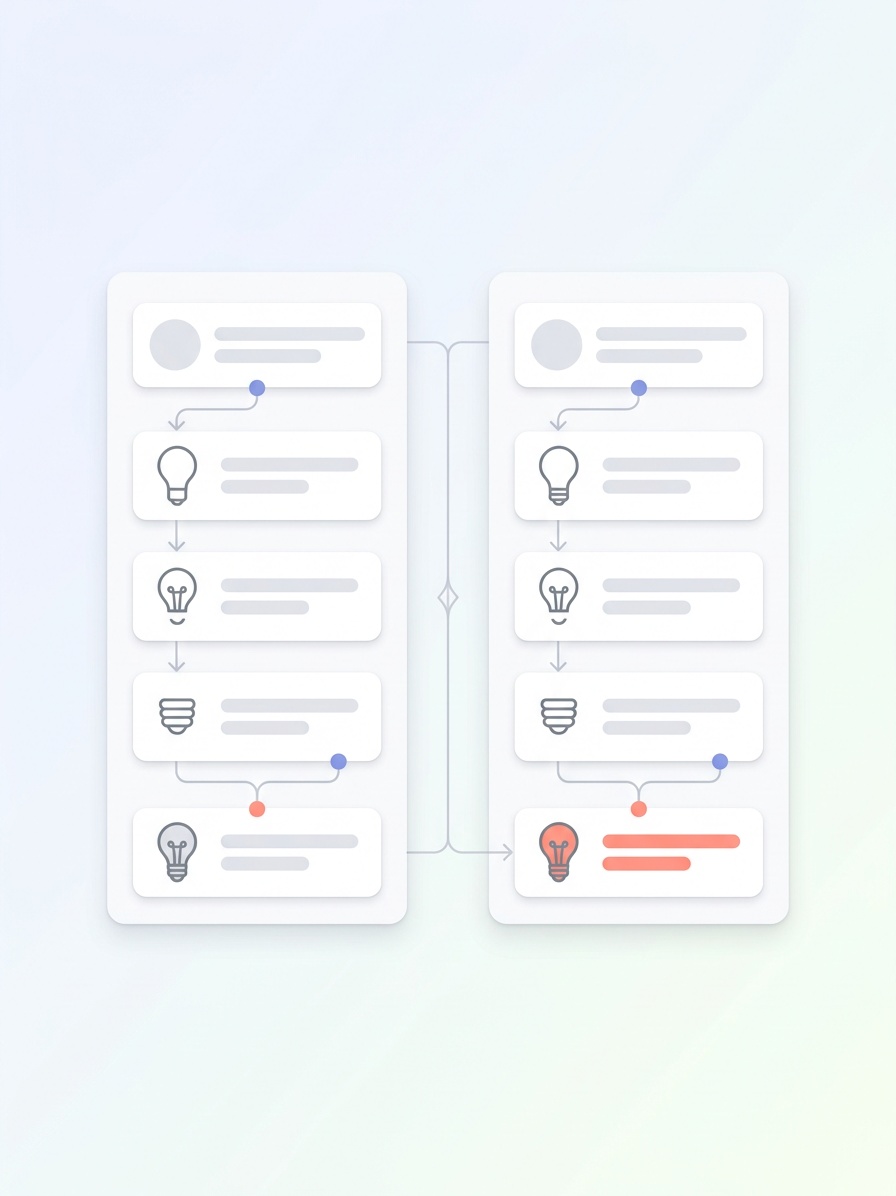
In most enterprises, the solutions to problems that have already been solved are sitting in project archives, internal documents, email threads, and individual employees’ memories. When a similar problem arises in a different team, region, or business unit, those solutions are effectively invisible. The team starts from scratch, spends weeks working through the same analysis and the same dead ends, and eventually reaches a similar conclusion to one that already exists somewhere in the organization.
Duplicated work from inaccessible institutional knowledge represents 15-25% of knowledge worker time.
Every time a senior employee leaves your organization, years of accumulated practical knowledge leave with them. Knowledge like: which supplier relationships need managing carefully, which system workarounds exist and why, which compliance interpretations the regulators have accepted, what was tried on a previous project, and why it failed. This knowledge loss is often invisible until a specific situation arises and the person who knew how to handle it is no longer there.
Organizational knowledge management shows that the practical expertise of a departing senior employee can take 12 to 18 months and a high cost to rebuild.
Onboarding new employees is expensive in direct costs and even more expensive in the months of partial productivity before they are fully effective. Research on workforce onboarding consistently shows that a significant portion of this ramp-up time is not about learning the role itself. It is about learning where things are. When that institutional context is scattered across SharePoint folders, email archives, wikis, and legacy systems, new hires spend months piecing it together.
Organizations with accessible, AI-searchable knowledge consistently achieve 40-50% faster new employee ramp-up.
These are our specific services and solutions that drive cost reduction across your operations. Each one is deployable as a standalone pilot or as part of a broader transformation programme.
Document AI, intelligent internal search, document understanding and Q&A, policy and compliance search, and knowledge automation tools that make organizational knowledge findable, usable, and decision-ready.
AI assistants and enterprise chat interfaces trained on your own documents and data that answer questions accurately, with source citations, in plain language without requiring search expertise or system navigation.
Knowledge-triggered workflow automation that transforms found information into action: document routing, compliance workflows, contract renewal alerts, and knowledge-driven process execution.
The data and integration foundation that makes knowledge intelligence reliable: structured ingestion pipelines, metadata architecture, and access-controlled data infrastructure across all your knowledge sources.
Try these AI knowledge systems live. See exactly how employees find answers from internal knowledge in seconds.

AI-powered search engine that enables seamless cross-language querying with contextual accuracy, improving information access & efficiency in global enterprises.

Multi-modal AI customer support agent that answers queries, analyzes data, generates visuals, and automates ticket resolutions, reducing cost while improving user experience.

An agentic AI-based IDP platform that extracts, understands, and activates data from any document. Automating manual workflows, improving accuracy, and accelerating decisions.
We have helped organizations transform how they access, use, and preserve institutional knowledge. Explore documented case studies.

Built an AI-powered knowledge repository system that transforms how IT professionals access and interact with organizational knowledge, enabling instant retrieval across internal documentation without manual search.

Developed a GenAI platform that extracts structured intelligence from thousands of financial documents across multiple formats, enabling auditors to query the entire document corpus instead of reading individual files.
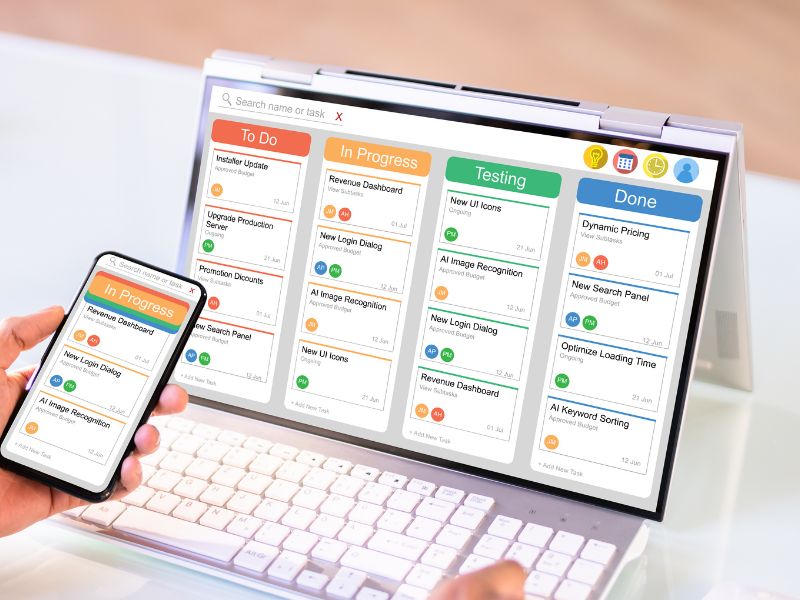
Developed a conversational AI assistant that retrieves accurate answers from product documentation, PDFs, and support content, giving users instant, source-cited responses to product questions without requiring human agent involvement.
ThirdEye Data has built enterprise knowledge intelligence systems across these sectors. Find your industry.

Manufacturing operations where technical documentation, maintenance procedures, quality standards, and operational knowledge are spread across decades of records in multiple formats and locations.

Utility operators with large volumes of regulatory documentation, field inspection records, engineering specifications, and compliance requirements that need to be accessible to teams across geographies and functions.

BFSI organizations where regulatory and compliance knowledge is complex, frequently updated, and inconsistently applied across teams.

IT organizations where knowledge is scattered across data sources and where experienced engineers spend significant time answering questions that are already documented somewhere.
Average share of working week employees spend searching for information they cannot find
Reduction in new employee ramp-up time when knowledge is AI-accessible and searchable
Less time to find answers that previously took hours of searching or asking colleagues
Document management systems store and organize files. They rely on users knowing what to search for, using the right keywords, and reading through multiple documents to find specific information. Enterprise Knowledge Intelligence is different in two fundamental ways. First, it understands the meaning and context of questions asked in plain language, not just keyword patterns. Second, it retrieves specific answers with source citations rather than returning a list of documents to read. An employee asking which supplier contracts expire in the next 60 days receives a specific, sourced list, not a folder of PDFs to review.
Yes. The complexity of your document landscape is the normal starting point, not a barrier. ThirdEye Data’s Knowledge Intelligence System is designed to work across PDFs, Word documents, Excel files, PowerPoint presentations, scanned images, email archives, SharePoint, internal wikis, and legacy content management systems. We build ingestion pipelines that extract and index content from all your sources simultaneously. Users query a single AI interface and receive answers from across the complete knowledge base, regardless of which system the source document lives in.
This is the most important design constraint in any enterprise knowledge system, and we treat it as a system design problem rather than a model behavior problem. Every ThirdEye Data’s knowledge AI system is built on retrieval-augmented generation: the AI retrieves specific content from your actual documents before generating any response, and is constrained to answer only from that retrieved content. Every answer includes citations showing exactly which document and section the information came from. If the system cannot find sufficient information to answer confidently, it says so clearly rather than guessing. This builds user trust over time because the system behaves predictably.
Access control is enforced exactly as it exists in your current systems. The AI does not bypass document-level permissions or expose information to users who should not see it. We integrate with your enterprise identity management so users receive answers only from documents they are already authorized to access. A finance analyst querying the system receives answers sourced only from documents within their access scope. A compliance officer with broader access sees a wider set of sources. All interactions are logged for audit purposes.
The system is designed for continuous change, not a static snapshot. When documents are updated, added, or retired, the knowledge index is updated accordingly. Retrieval behavior reflects the current state of your document library. Users are not inadvertently given answers based on superseded policies or outdated specifications. For high-compliance environments, version awareness can be configured so users can also access historical versions of documents with clear version labeling.
Initial deployment typically takes 8 to 12 weeks, covering document ingestion, index configuration, access control integration, and user interface deployment. Employees typically see value within the first week of using the system. The most common early feedback from users is the time saved on information searches that previously took 30 minutes to an hour and now take seconds. Onboarding time improvements become visible over the first 60 to 90 days as new hires interact with the knowledge system.
ThirdEye Data’s Knowledge Intelligence System supports multilingual document processing across major business languages. Document types supported include PDFs, Word documents, Excel spreadsheets, PowerPoint presentations, plain text files, scanned documents with OCR processing, HTML content, and email exports. For specialized document formats, we build custom ingestion adapters during deployment. Language and format support can be extended based on your specific document landscape.
Yes. Our Knowledge Intelligence system is typically deployed as an AI layer on top of existing systems rather than replacing them. Your current intranet, SharePoint, document management system, and content repositories continue to exist and are used as source systems. The AI adds intelligence, search, and natural language query capability on top of what already exists. This approach protects existing investments and avoids the disruption of replacing functional infrastructure.
From a specific use case to a full-scale modernization, share your requirements, and our engineers will take it from there. We typically respond within 24 hours with a transparent, detailed assessment of what's possible for your business.

We are a full-stack AI development company that helps enterprises make better decisions, reduce costs, and operate more efficiently.


333 West San Carlos Street, San Jose, CA 95110 USA
6000 Rome Blvd, Brossard, Quebec J4Y 0B6 Canada
Technopolis, Kolkata, India
CTIE, Hubli, India
We are a full-stack AI development company that helps enterprises make better decisions, reduce costs, and operate more efficiently.
333 West San Carlos Street, San Jose, CA 95110 USA
India: Kolkata, WB & Hubli, KA
Canada: Brossard, Quebec