
The defects your team misses today become the claims, recalls, and incidents you pay for tomorrow.
Industrial operations generate continuous visual information from production lines, equipment, facilities, and people. Most of it goes uninspected, spot-sampled, or reviewed too late. Industrial Vision Intelligence is a pre-configured AI suite that brings machine-speed, machine-precision visual oversight to your quality inspection, workplace safety, inventory operations, and equipment health, without rebuilding your existing infrastructure.

Cost to fix a defect post-customer vs. on-line
Defect escape rate in manual inspection
AI detection accuracy in our deployments
Reduction in operational monitoring overhead
Industrial operations generate visual information continuously from production lines, equipment, facilities, and people. Most of it goes uninspected, spot-sampled, or reviewed too late. Here is what that gap costs.
A defect caught on the production line costs a fraction of what it costs to address after it reaches a customer. Warranty claims, replacements, logistics, and brand damage compound fast.
For a $100M manufacturer, a 1% defect escape rate can represent $10M+ in avoidable annual cost.
OSHA estimates the average workplace fatality costs an employer over $1.1 million in direct and indirect costs. Manual safety monitoring catches an estimated 1-in-10 violations before an incident occurs. The violations happening right now, between shifts, in low-visibility areas, are not being seen.
Unplanned equipment downtime costs industrial manufacturers an estimated $50 billion annually. Most of that downtime is preceded by visual signals, like wear patterns, surface changes, and thermal anomalies, that go undetected until a breakdown. Seeing them earlier changes the math entirely.
Each module is field-tested, deployable independently or as an integrated system, and built on our industrial-grade computer vision engineering, tuned to real operating conditions, not idealized lab environments.

Your production line makes more quality decisions per hour than your QA team can manually review. This module deploys computer vision inspection systems calibrated to your specific products, quality thresholds, and defect profiles, operating at line speed, around the clock, with no fatigue variability. Models are trained on domain-specific visual patterns and connected directly to production workflows. When the system flags an issue, it triggers line alerts, rerouting decisions, and operator notifications in real time.

Safety violations happen between monitoring cycles, between shifts, in low-visibility areas, and under time pressure. This module analyzes live camera feeds across your facility to detect PPE violations, unsafe behaviors, hazard zone breaches, and environmental risks the moment they occur. The system detects missing helmets, gloves, and high-visibility gear; identifies unsafe postures, fatigue indicators, and restricted zone access; and routes real-time alerts to the right safety officer via SMS, email, and dashboard notification.

Manual inventory counts are slow, error-prone, and cannot keep pace with high-volume production. This module deploys AI-powered visual counting and spatial analysis across your production floors, warehouses, packaging lines, and dispatch points. Delivering accurate, real-time inventory intelligence without disrupting operations. Beyond counting, the module provides spatial utilization analysis, material flow visibility, and real-time inventory dashboards integrated with your ERP and inventory management systems.

Equipment failure doesn’t happen without visual warning signs, like surface wear, structural deviations, thermal anomalies, and corrosion patterns. This module applies AI image processing and anomaly detection to continuously monitor your industrial assets, infrastructure, and equipment from camera feeds and inspection imagery. Outputs integrate directly into maintenance workflows, flagging items for inspection, supporting root-cause analysis, and improving maintenance scheduling.
This suite covers the full operational span of industrial enterprises, from the production line to the loading dock, from the warehouse floor to field infrastructure.
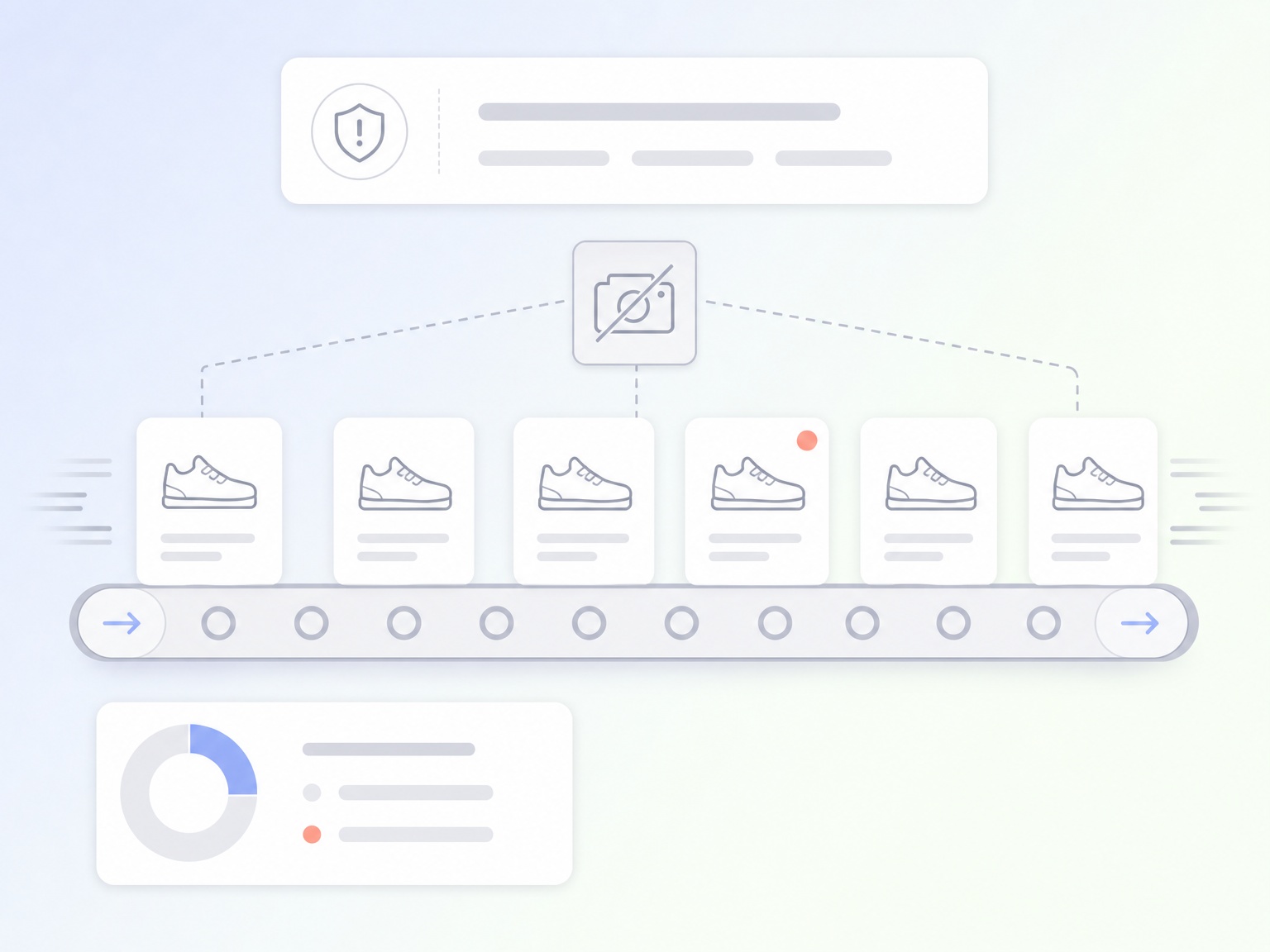
AI inspection systems detect surface defects, dimensional deviations, and material inconsistencies at line speed, delivering 100% coverage with no fatigue-related variance across shifts.
Operational Outcome: Defect escape rate reduced from 2% to 0.1%
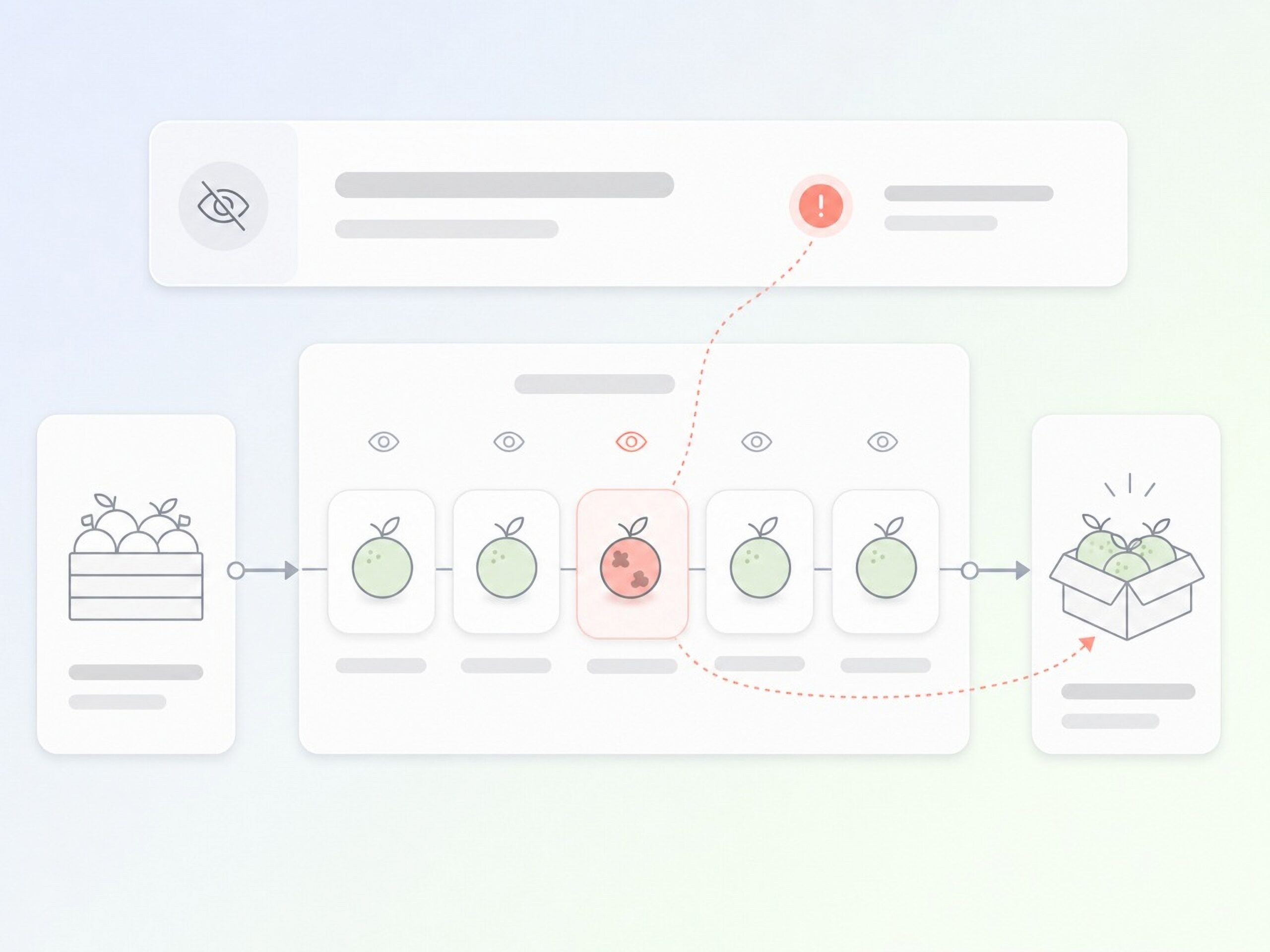
Automated visual grading of food products by size, color, surface condition, and contamination risk, before packaging. Replaces manual spot-checks with full-coverage AI inspection.
Operational Outcome: QA throughput improved without adding headcount
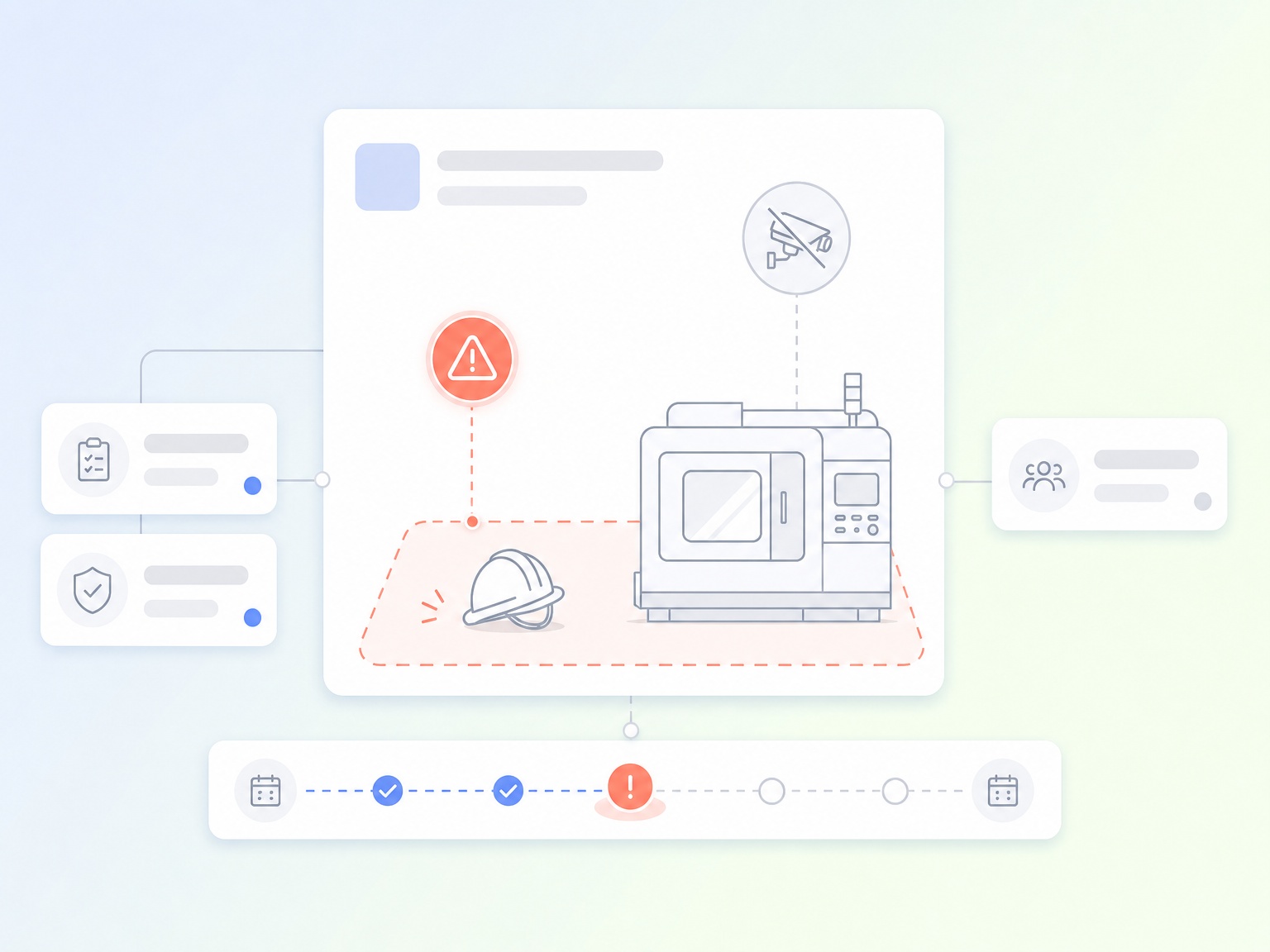
Live detection of missing PPE, unsafe behaviors, and hazard zone violations across all camera-covered areas, with real-time alerts routed directly to safety officers.
Operational Outcome: 70% reduction in manual monitoring overhead

AI image analysis applied to inspection imagery of electric poles, cables, transformers, and field assets, automatically detecting structural anomalies, corrosion, and quality deviations at scale.
Operational Outcome: Inspection coverage at a fraction of manual cost
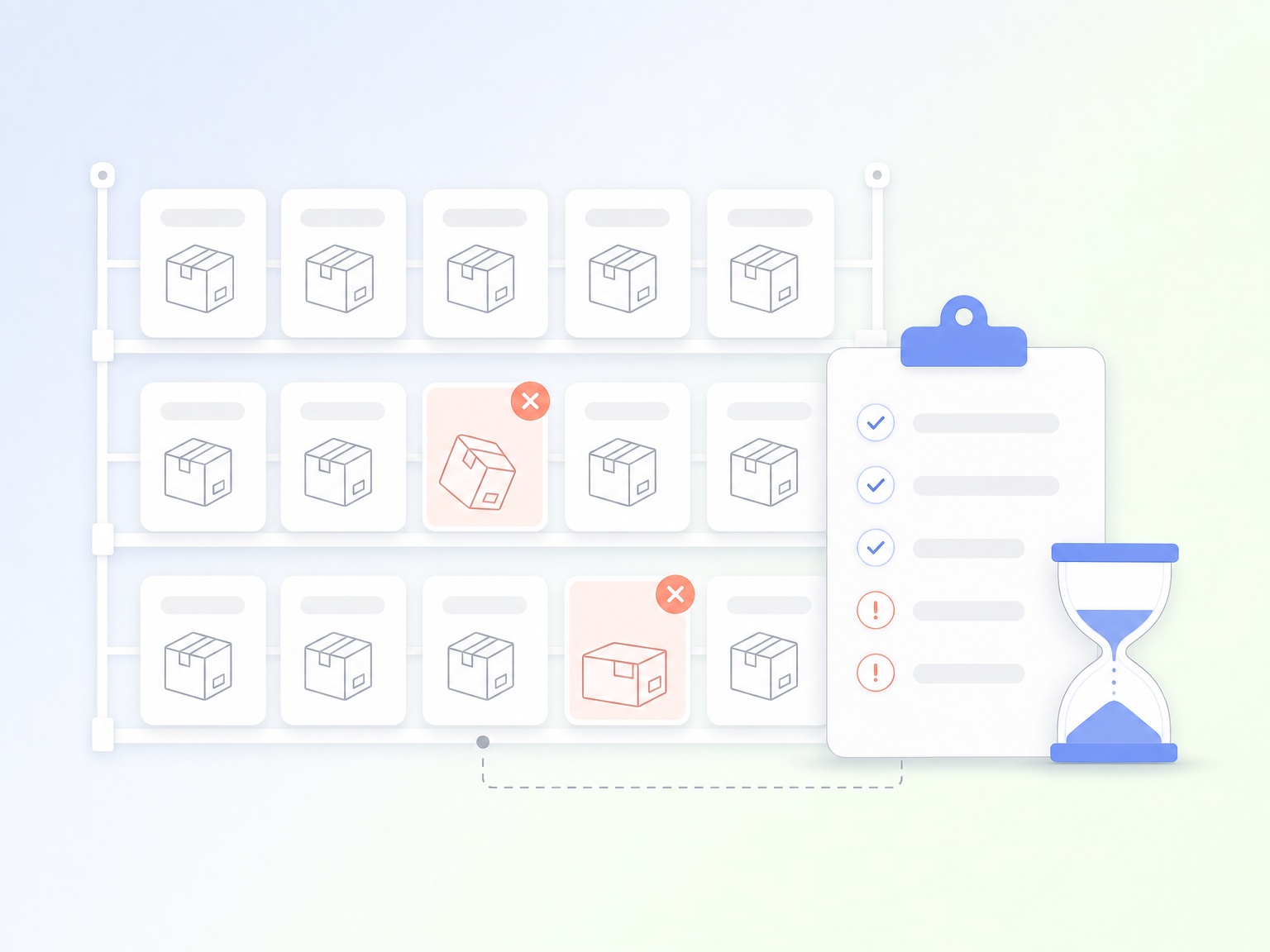
Vision-based counting eliminates manual inventory processes on production floors, packaging lines, and dispatch areas, delivering 97% accuracy with real-time reporting to supervisors.
Operational Outcome: 80% time savings on manual counting

Continuous visual and sensor-level monitoring of production equipment and line parameters, detecting deviation patterns that precede failure before breakdowns occur.
Operational Outcome: Unplanned downtime reduced through early visual signals
Every module in this suite is built from systems. We have already deployed in production environments. These are the case studies that prove they work.
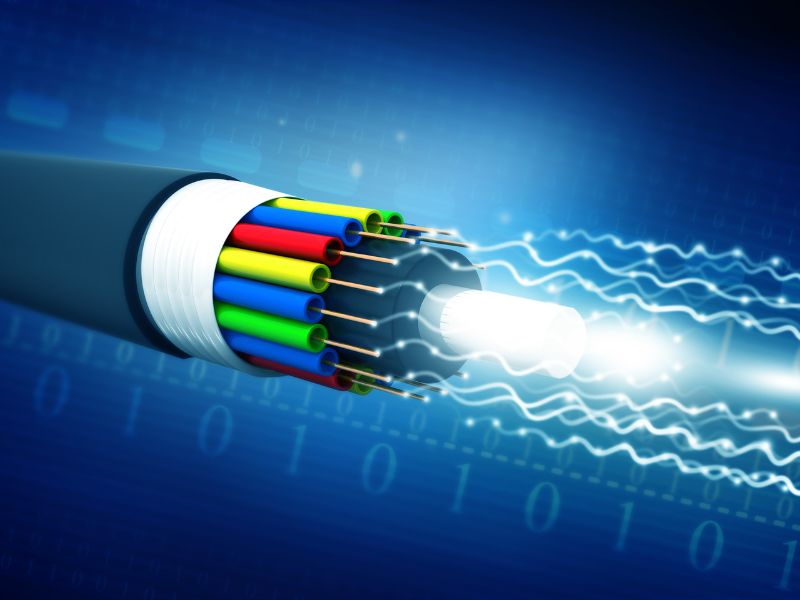
Delivered 98% counting accuracy, virtually eliminating manual counting errors in a high-volume production environment. 80% reduction in time spent on counting, freeing QA staff for higher-value tasks. One of the world’s largest interconnect solution providers.
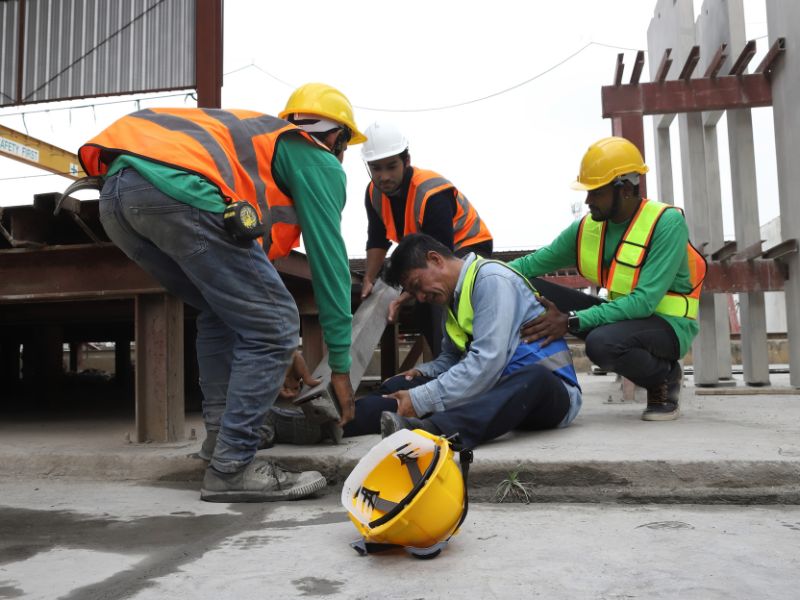
Deployed across oil & gas, manufacturing, and construction worksites. 93%+ detection accuracy for PPE violations and unsafe behaviors. 70% reduction in manual safety monitoring overhead. Production-grade solution operational across multiple high-risk sites in the Middle East.
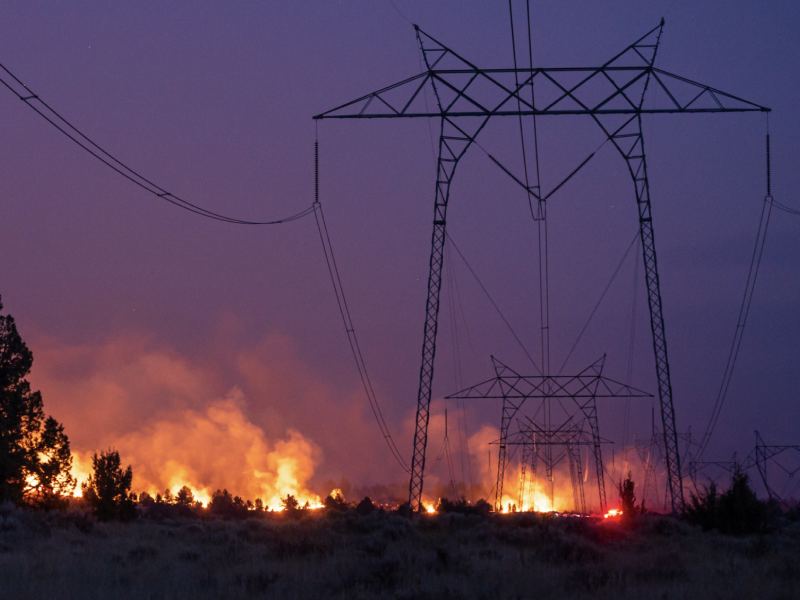
Built an AI platform for a large energy utility that detects structural anomalies, corrosion, and quality issues in third-party electric infrastructure, enabling hazard prevention at scale through automated image analysis and quality scoring.
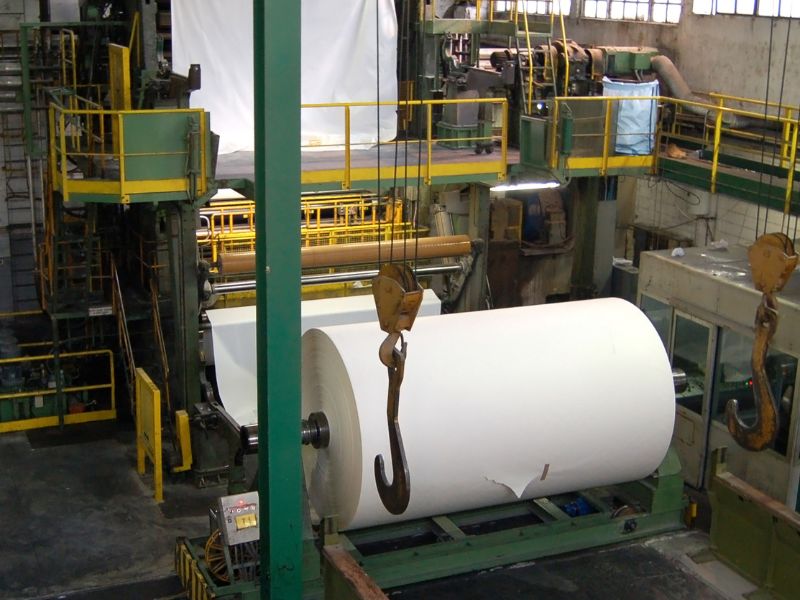
Deployed a real-time surface inspection system on a high-speed paper production line to detect wrinkles, tears, and texture defects before jumbo roll formation. 93% accuracy across multiple defect types, 36% reduction in product rejections, 25% improvement in product quality metrics, and ₹1.8 crore projected annual savings in compensation costs.
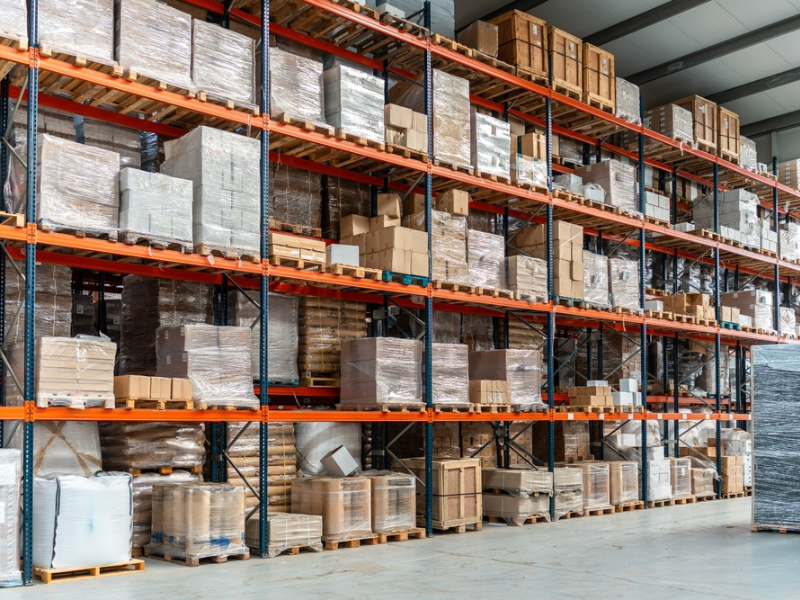
Replaced manual audit cycles for a Tier-1 Agricultural Logistics firm across its international warehouse network. Inventory counts that took 2–3 days are now complete in under 5 hours. Achieved 97%+ accuracy, ₹40–60 lakhs estimated annual savings per warehouse cluster, and 100% tamper-evident audit trails for regulatory compliance.
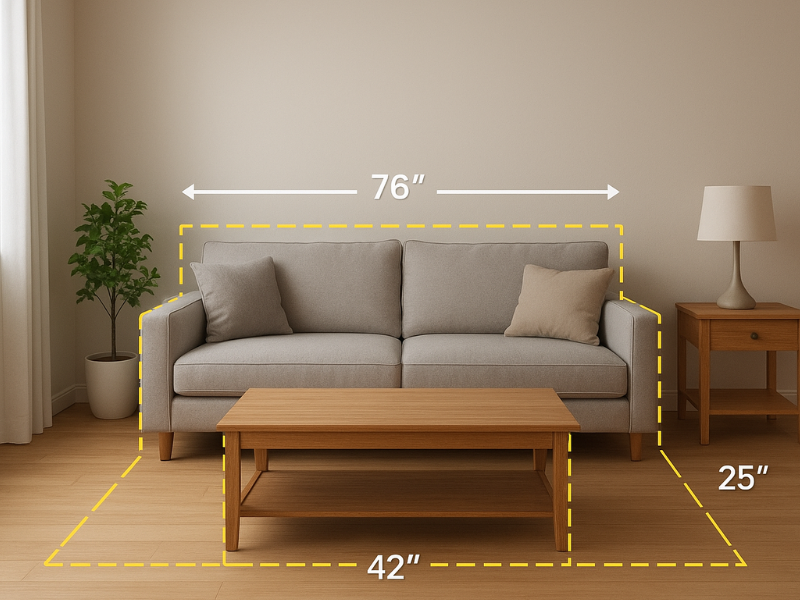
Built a mobile-first computer vision solution for a leading UK packers and movers company. Automatically detecting furniture from room images, estimating spatial dimensions, and generating vehicle, labor, and cost requirements in under 10 seconds per room. 80% reduction in manual survey time, 90%+ detection accuracy, 85% reduction in estimation errors.

Under pressure to increase throughput without increasing defect risk or adding QA/stock auditor headcount. Needs inspection coverage that scales with production volume and delivers consistent accuracy across every shift, every line, every product variant.
"I need my production lines running at quality standards without adding headcount to the QA floor. I want to know about defects before they leave the facility."
Manual sampling gives statistical confidence over a small fraction of output. Needs a system that sees everything, flags what matters, and generates audit-ready documentation, without flooding the team with false positives that cost more to investigate than ignore.
"Manual sampling gives me coverage over 3% of output. I need something that sees everything, flags what matters, and doesn't generate 500 false positives per shift."

One serious incident can cost more than the entire annual safety budget. Needs monitoring that catches violations in the moment, not in the next audit. And must respect worker privacy while giving safety officers the information they need to act before an incident becomes a fatality.
"One serious incident can cost us more than the entire safety budget for the year. I need a system that sees what human monitors miss and gets an alert to the right person in real time."
In most cases, yes. We design deployments to work with existing cameras, sensors, and network infrastructure wherever technically feasible. Ripping out and replacing infrastructure is not a prerequisite, and we evaluate what is in place before recommending anything new. If specific cameras need upgrading for a use case (higher resolution for fine defect detection, for example), we will tell you exactly which ones and why, with a clear cost justification.
We work with what you have. For quality inspection, we begin with a dataset assessment for understanding what defect images are available and what can be captured during a supervised collection phase. We use techniques including transfer learning, data augmentation, and synthetic image generation to minimize the volume of labeled data required. The PoC phase typically runs on a realistic dataset, with accuracy improving as the model sees more production data over time. We have gone from initial data collection to a working inspection model in 12–16 weeks on multiple deployments.
Accuracy varies by use case and product complexity. Our deployed quality systems have achieved 85–99% detection accuracy in production environments. False positives are controlled through business-defined confidence thresholds: we tune the model to match your tolerance for false positives versus missed detections, because those trade-offs are different for every operation. Human-in-the-loop review handles edge cases, and the feedback loop from those reviews continuously improves model performance. You define what an acceptable false positive rate looks like for your business before go-live.
This is an engineering constraint we solve at the architecture level. We design inference pipelines to match your line speed requirements, whether that means edge-deployed models for sub-100ms decisions or GPU-accelerated on-prem servers for high-throughput lines.
We have deployed systems operating at production line speeds in food, timber, and electronics manufacturing. During the scoping phase, we document your exact throughput requirements and design the system around those numbers.
Yes. We design multi-variant models that handle product profile switches through configuration changes rather than full retrainings. For products with known seasonal or batch variation, we build variant-aware models during the initial training phase. For genuinely novel products, we support lightweight incremental fine-tuning, typically a fraction of the original training effort. We also design model management infrastructure, so your team or our support engineers can manage this without disrupting production operations.
The usual machine vision relies on fixed rules, specific lighting conditions, exact thresholds, and predetermined defect types. It breaks when conditions vary. AI-based inspection learns from examples, so it generalizes to defects and conditions it was not explicitly programmed for. It handles variable lighting, surface variation, and novel defect patterns that rule-based systems miss. The practical difference: rule-based systems need to be reprogrammed for every product change or new defect type; AI models improve with more data and can be retrained rather than rebuilt. The two approaches are often complementary; we can layer AI inspection on top of existing machine vision infrastructure.
A typical single-line quality inspection deployment runs 8–14 weeks from kickoff to production operation, depending on data availability and integration complexity. We always recommend starting with a defined scope, one line, one facility, one safety zone — because it de-risks the engagement and creates an evidence base for expansion. The IVI Suite is modular: you can deploy the Quality Inspection Engine on one line, validate results, and then expand to additional lines or add the Safety Monitor as a second phase. Integrated deployments of multiple modules often deliver better business cases because the infrastructure investment is shared.
Yes, compliance documentation and audit trail generation are part of the deployment design, not an afterthought. Every inspection event, safety alert, and inventory action is logged with timestamps, camera references, confidence scores, and disposition decisions.
For regulated industries, we design the logging and reporting layer to align with your specific audit requirements, GMP, HACCP, ISO 9001, IATF 16949, or others. This is a point we discuss explicitly during scoping because the audit requirements shape the data architecture.
Worker privacy is a core design constraint, not an add-on. Our safety monitoring systems are built with identity anonymization by default, face blurring, identity masking, and role-based data access so that only the safety event data required for compliance is captured and stored.
The system detects behaviors and conditions. We implement this in alignment with your local labor laws, GDPR, where applicable, and workforce transparency requirements. We also recommend that safety monitoring deployments include a workforce communication protocol, which we support as part of the deployment planning.
Yes, integration with MES, ERP, SCADA, and maintenance management systems is part of how the suite delivers business value, not a separate project. Vision intelligence that stays in its own dashboard does not change operational outcomes; intelligence that feeds your MES quality records, triggers your CMMS work orders, or updates your ERP inventory does. We design integration scope based on what you need each system to do with the vision outputs. Common integrations include SAP, Oracle, Infor, Ignition, and custom-built MES and SCADA platforms.
Industrial operations change, and a vision AI system that cannot adapt becomes a liability. We design for adaptability: new product variants can be added through incremental fine-tuning rather than full retraining; new camera zones can be added to safety deployments without rebuilding the model; new facility areas can be onboarded following the same pattern as the initial deployment.
We also maintain a model monitoring layer that flags when a model’s accuracy begins to drift, so you know when a production or environmental change is affecting performance before it affects your outcomes.
From a specific use case to a full-scale modernization, share your requirements, and our engineers will take it from there. We typically respond within 24 hours with a transparent, detailed assessment of what's possible for your business.
We are a full-stack AI development company that helps enterprises make better decisions, reduce costs, and operate more efficiently.





333 West San Carlos Street, San Jose, CA 95110 USA
6000 Rome Blvd, Brossard, Quebec J4Y 0B6 Canada
Technopolis, Kolkata, India
CTIE, Hubli, India
We are a full-stack AI development company that helps enterprises make better decisions, reduce costs, and operate more efficiently.
333 West San Carlos Street, San Jose, CA 95110 USA
India: Kolkata, WB & Hubli, KA
Canada: Brossard, Quebec