
Your best operational minds are routing tickets, chasing approvals, and handling exceptions. That is not what you hired them for.
Enterprises have automated 20% of their operational workflows. The remaining 80% are complex, exception-heavy, cross-system workflows. They are still run on expensive human coordination. The Agentic Business Operations Suite deploys AI agents that close this gap.
Pre-built. Integration-ready. First agent goes live in 8 weeks.
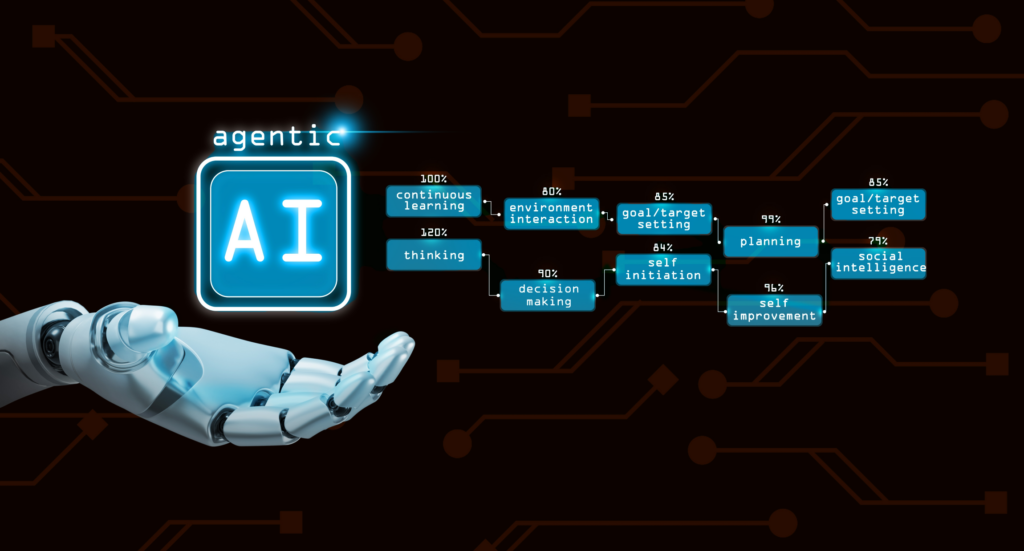
Pre-built Agent AI Modules
First AI Agent Goes Live in Production
Routine Task Automation Rate
Real-world Deployments
of enterprise workflows still require human coordination to execute
— McKinsey Global Institute, 2025
Every enterprise has automation tools: RPA platforms, workflow builders, and BPM systems. But these tools max out the moment a process hits an exception, requires judgment, or spans more than one system. What happens next? A human becomes the connector.
Skilled professionals route requests, chase approvals, handle edge cases, and update three systems to reflect one decision, every single day. This is not an efficiency gap. It is a capacity and cost problem that compounds with every headcount addition.
Where Automation Has Reached Its Limit
Enterprises have automated the easy, predictable, linear workflows. Everything else, the exception-heavy, cross-system, judgment-requiring processes, still run on human effort. That human coordination layer is invisible in the cost model, expensive in the headcount plan, and costly in the time it takes for work to move forward.
These are not IT efficiency statistics. They are revenue, capacity, and cost numbers that live in your operations budget and your hiring plan.
Routing requests, following up on approvals, updating records across systems, responding to the same questions repeatedly. For a 200-person operations function, that is 80–120 people whose primary output is moving information between systems that should talk to each other automatically.
At a $75K blended salary, that is $6–9M annually in human coordination overhead.
In one of our deployments, automating post-resolution support ticket analysis allowed the customer success team to identify at-risk accounts in real time instead of weeks later. Within 90 days of go-live, $250K in at-risk ARR was retained through early intervention. The agent did not replace the customer success team, it gave them the signal they needed to act before churn happened.
A purchase order that touches procurement, finance, and IT for approval should take minutes. In most enterprises, it takes 3–5 business days because each handoff waits for a human to notice, act, and pass it on. Every delayed approval is deferred work, deferred savings, or deferred revenue. AI agents that execute these handoffs automatically, with full audit trails, eliminate waiting as a cost center.
Each module is production-ready and can be deployed independently or as a unified system. You pick the starting point based on where operational drag costs you the most. The architecture is designed to add modules incrementally, no re-platforming required.

An AI agent framework that orchestrates multi-step, cross-system business workflows without human coordination. Agents observe process states, validate inputs, apply business logic, execute decisions, and complete the work, even when exceptions arise. This is not RPA that breaks when a field moves or a form changes. These agents reason through variation, handle exceptions as part of normal operation, and close the loop with downstream notification or action.

End-to-end automation for the highest-volume operational workflow in most enterprises: inbound requests, support tickets, queries, and service cases. Agents classify, enrich, route, and resolve routine tickets autonomously, with 85%+ deflection rates documented in production deployments. Complex or high-risk cases are escalated with AI-generated summaries, full context, and recommended resolution paths, so the human receiving the escalation starts solving, not reading.

Operations monitoring that moves beyond dashboards and notifications into autonomous action. Agents continuously observe KPIs, SLA thresholds, system health metrics, and operational signals. When conditions breach configured thresholds, agents do not just fire an alert; they correlate context across data sources, distinguish noise from genuine risk, identify probable root cause, and initiate configured response sequences: escalation, notification, or automated remediation.

Intelligent assistants embedded into the daily workflows of business operations, IT operations, finance, customer success, and executive functions. Copilots let teams query system state, analyze incidents, generate status reports, surface actionable insights, and follow operational resolution paths through natural conversation, no SQL, no dashboard navigation, no cross-system lookup. This is not a chatbot that answers generic questions. These copilots are grounded in your operational data, your system context, and your business rules.
There are 5+ operational domains where agent-driven automation is delivering measurable business impact across enterprise deployments.
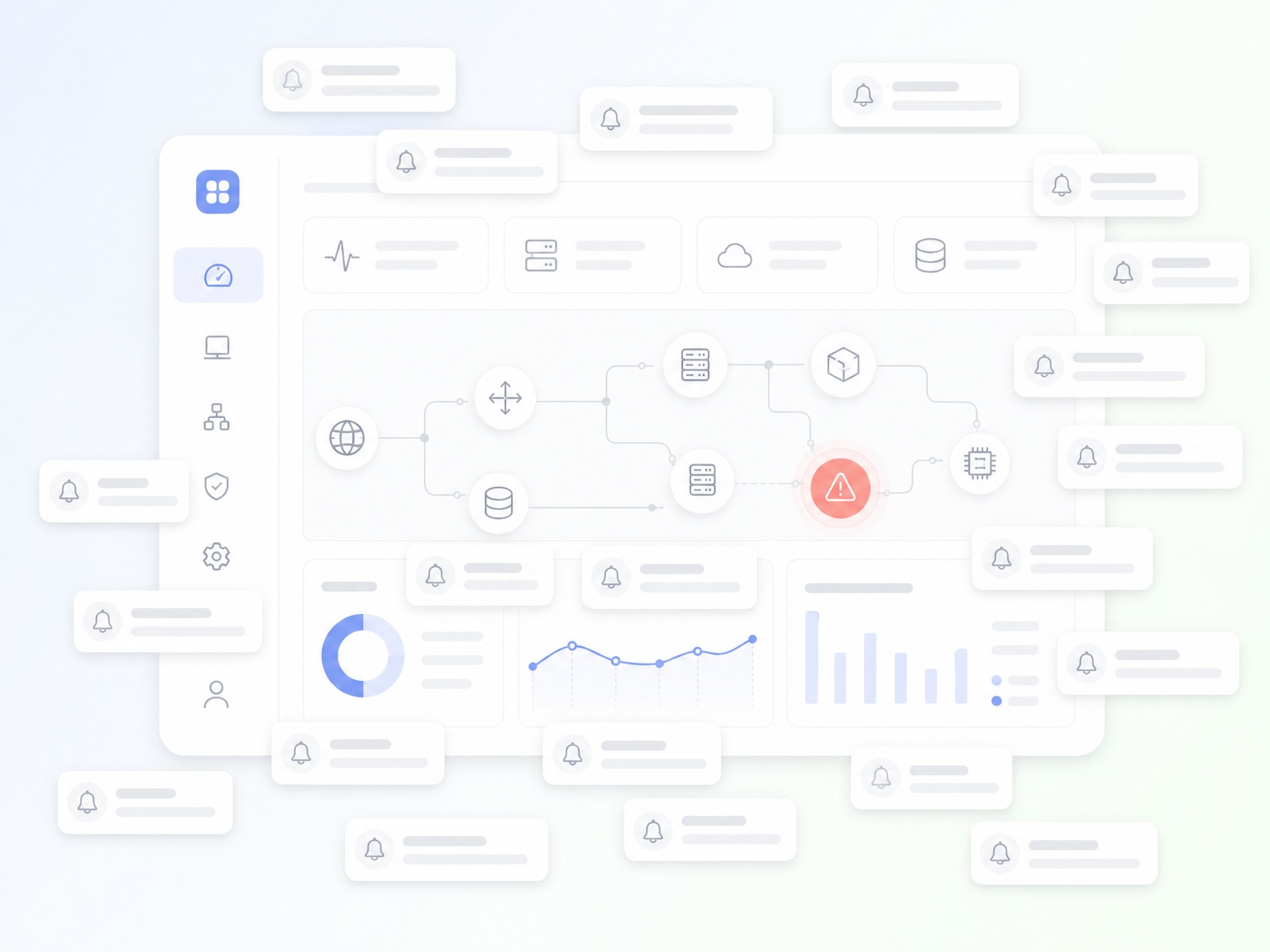
Agents monitor system health signals, correlate alerts, classify incidents by severity and type, and execute first-response playbooks autonomously. P1/P2 incidents are escalated immediately, with root cause context assembled. MTTR drops, alert fatigue drops, and your best engineers stop being the first line of noise filtering.
Operational Outcome: Reduction in mean time to resolution (MTTR) and elimination of manual alert triage for Tier 1 incidents
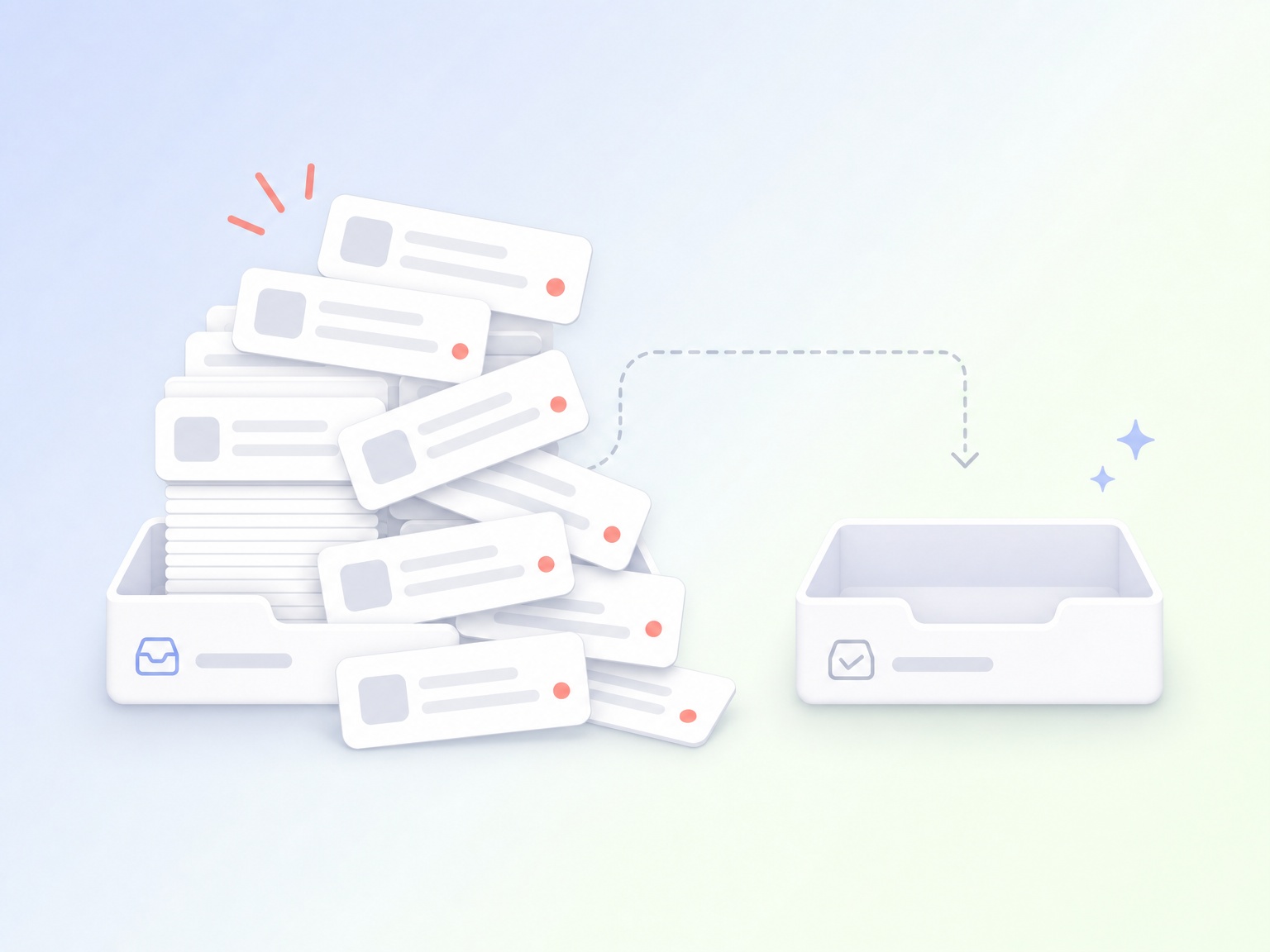
The majority of enterprise support tickets ask questions that have already been answered or follow patterns that can be resolved without a human agent. This module handles the repeatable 70–85%, escalates the rest with full context, and turns every resolved ticket into structured operational intelligence about product, process, and customer health.
Operational Outcome: 85% reduction in manual ticket handling, 100% coverage, and categorization across ticket volume
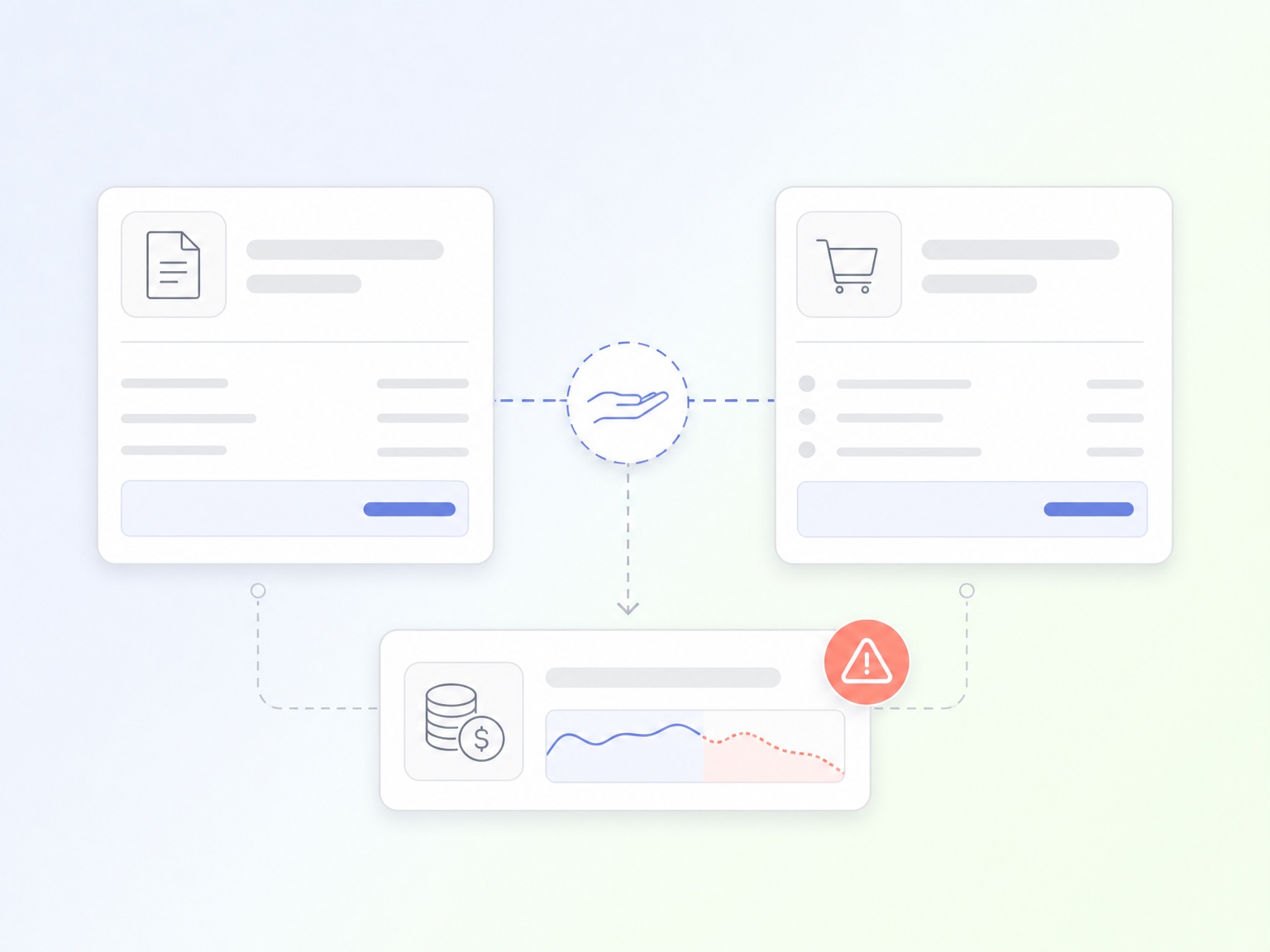
AI agents process incoming invoices, match purchase orders, flag payment exceptions, and route approval workflows to the right stakeholders. Cash flow agents monitor receivables and payables in real time, alerting on aging patterns and liquidity signals before they become problems. Finance teams shift from data assembly to financial decision-making.
Operational Outcome: Reduction in invoice processing cycle time, elimination of manual PO matching, and real-time cash position visibility.
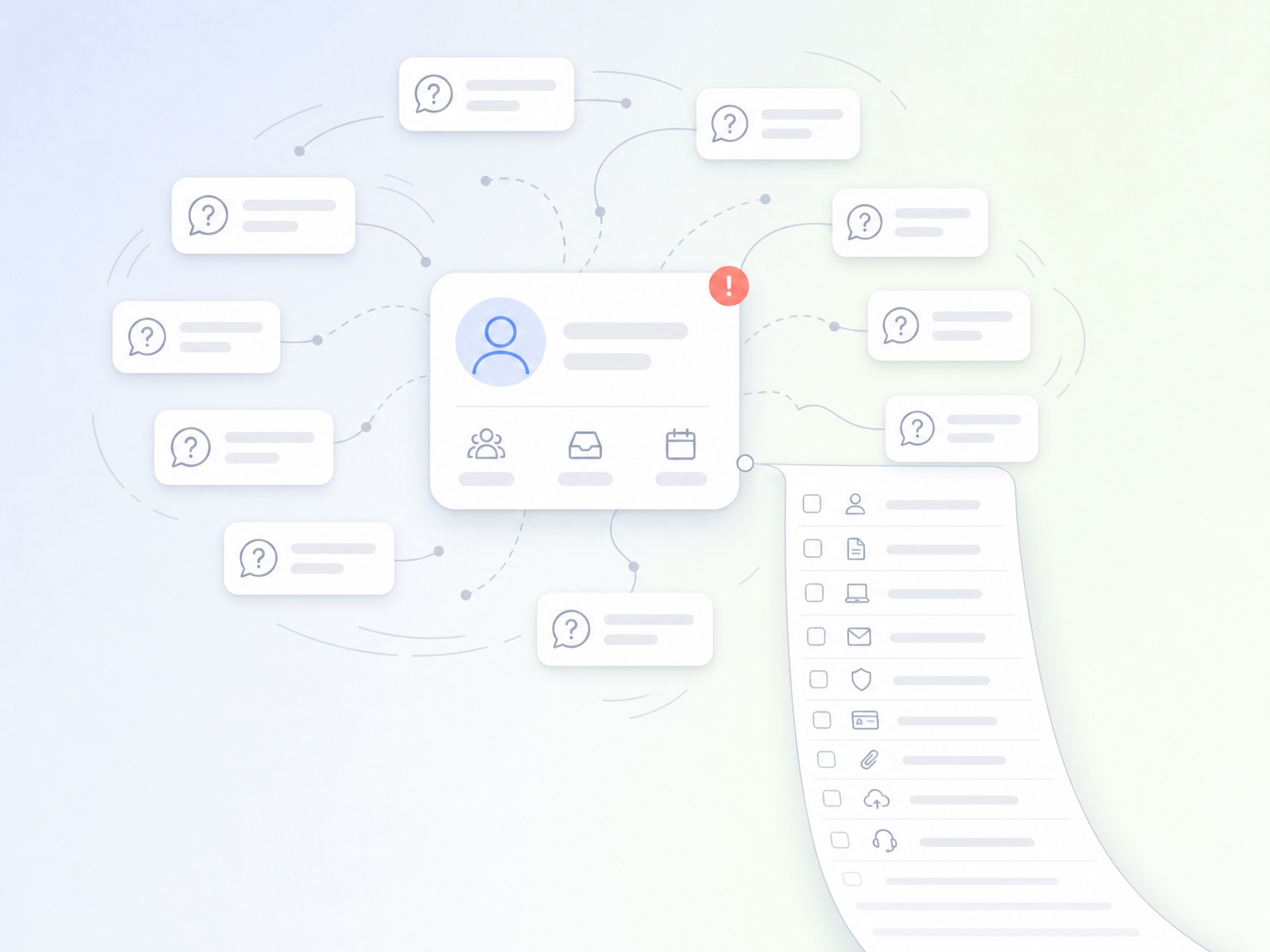
HR teams handle enormous volumes of repetitive, policy-based employee queries: leave balances, benefits questions, onboarding checklists, policy lookups, offboarding procedures. Agents handle these end-to-end, escalating only ambiguous cases to HR business partners. Onboarding and offboarding workflows execute automatically against HR systems.
Operational Outcome: HR capacity freed from repetitive query handling, reduced onboarding time, and elimination of access provisioning delays
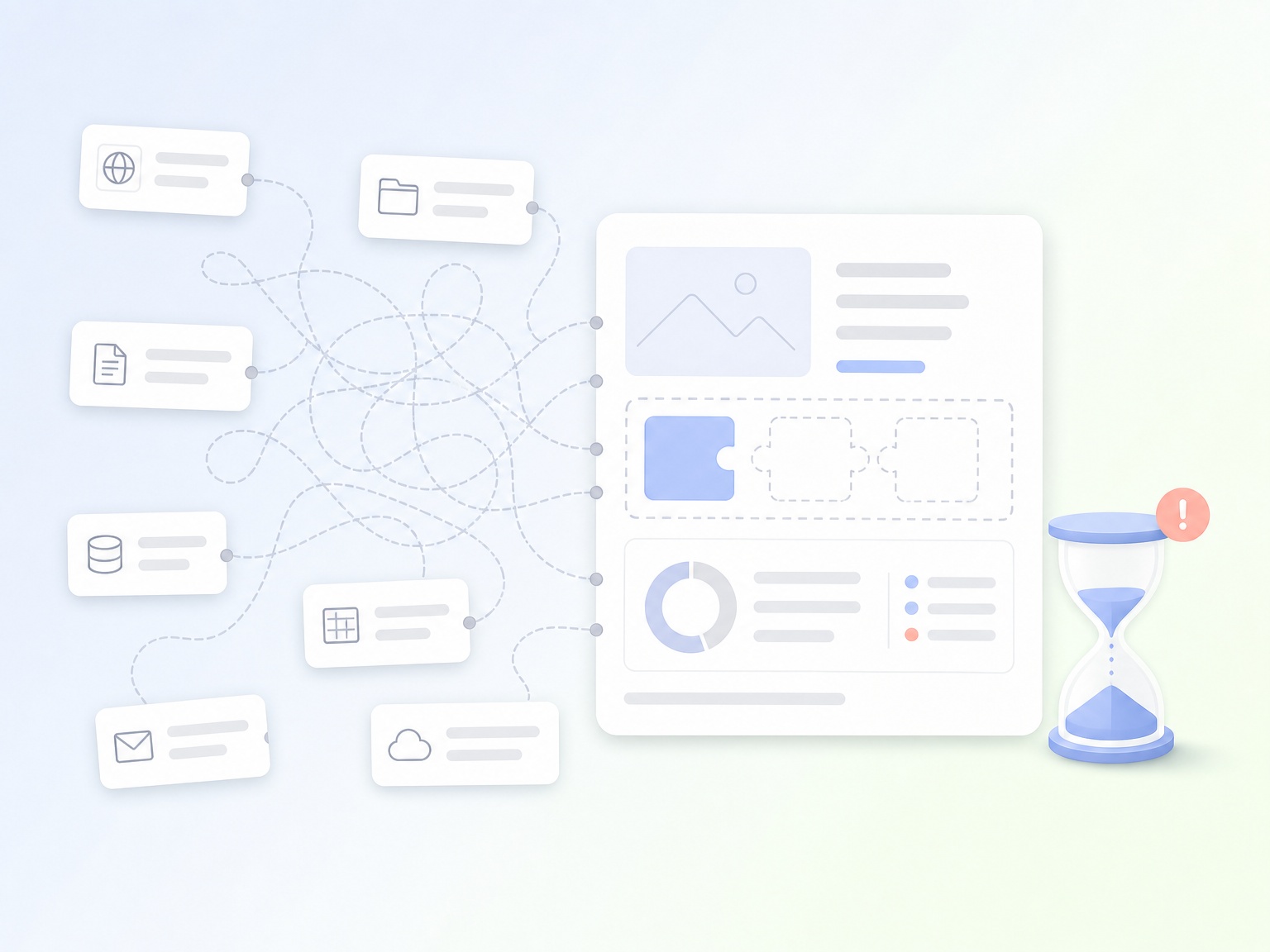
Complex research tasks, like investment analysis, vendor assessment, competitive intelligence, and regulatory research that previously required teams of analysts working for days, are executed by coordinated agent teams in hours. Agents gather data, cross-reference sources, validate claims, synthesize findings, and produce structured outputs ready for decision-maker review.
Operational Outcome: Research cycle time from days to hours; standardized output quality regardless of analyst availability.
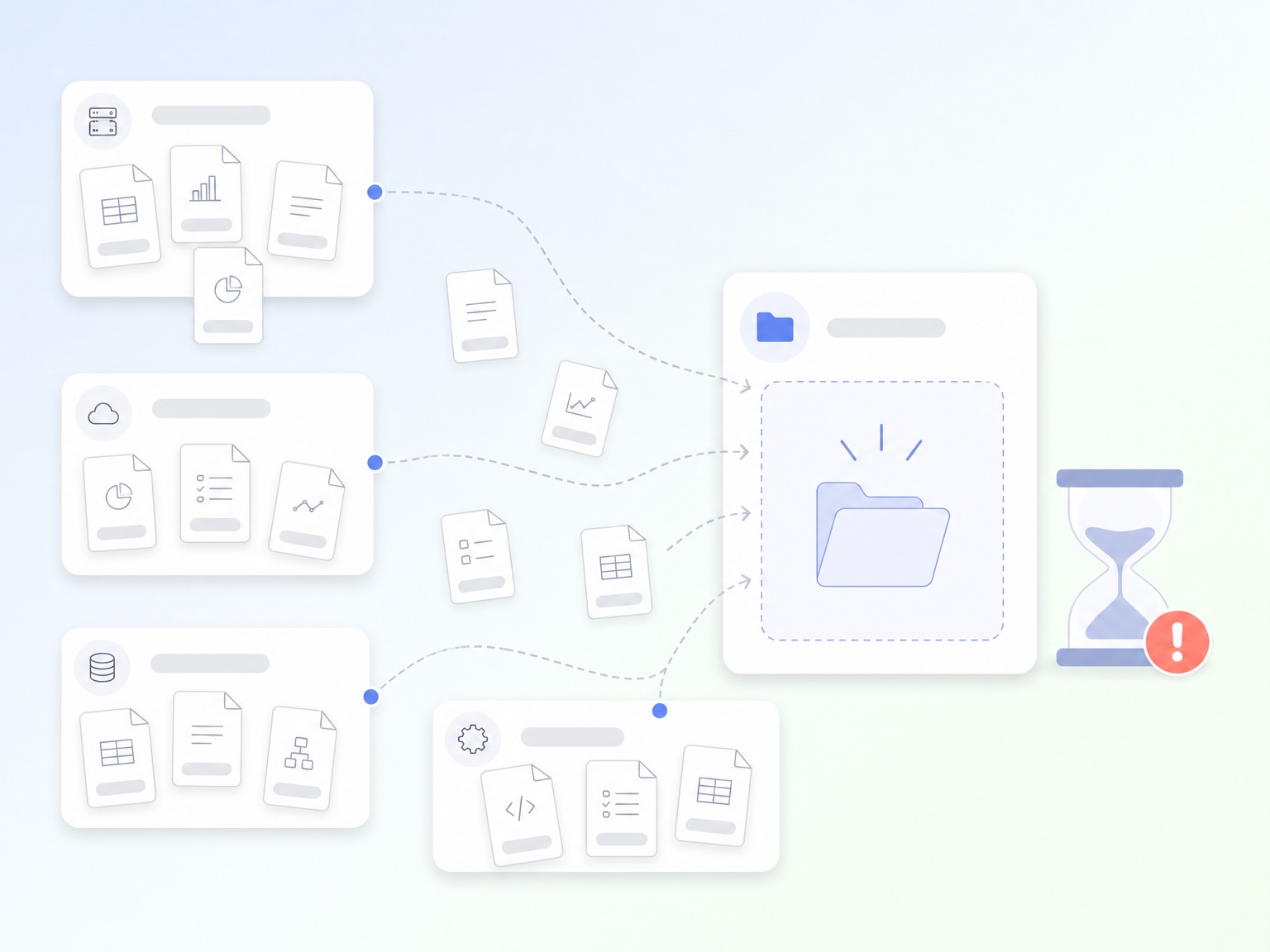
Audit preparation that previously required weeks of manual evidence collection and cross-system data assembly is automated by agents that know where evidence lives, how to retrieve it, and how to structure it for review. Control testing workflows execute on schedule, with results logged in immutable audit trails.
Operational Outcome: Audit preparation time reduction, 100% control coverage vs. manual sampling, documented and defensible evidence trail.
Every engagement below was deployed in production for a real enterprise client. Where we have specific metrics, we show them.

Automated the full post-resolution intelligence pipeline for a leading industrial IoT SaaS company. Agents convert unstructured ticket threads into structured metadata, detect churn risk, surface product feedback, and write intelligence back to the CRM automatically. Results: 85% reduction in manual audit time, $120K+ annual operational savings, $250K+ ARR recovered through churn signal detection in the first quarter.

Built a multi-agent AI ecosystem for a global loyalty marketing provider managing programs for some of the world’s most recognized brands. Agents handle customer interactions, program management, fraud detection, vendor coordination, and member record reconciliation. We delivered end-to-end operational automation across millions of loyalty transactions.

Designed and implemented a multi-agent Copilot that automates the end-to-end investment research process: discovery, data collection, financial analysis, and structured report generation. Reduced research cycle time from days to hours while standardizing output quality across analyst teams.

Built an AI-powered knowledge agent that transforms how IT professionals access SOPs, runbooks, incident histories, and organizational policies through natural conversation rather than document navigation. Ops teams query system state, incident history, and resolution paths in real time, eliminating the manual lookup overhead that slows incident response.
Designed and deployed an intelligent AI agent providing context-aware, permission-respecting search across large volumes of enterprise operational content. Accurate, source-cited responses for every query, with no content surfaced outside the requester’s access level.
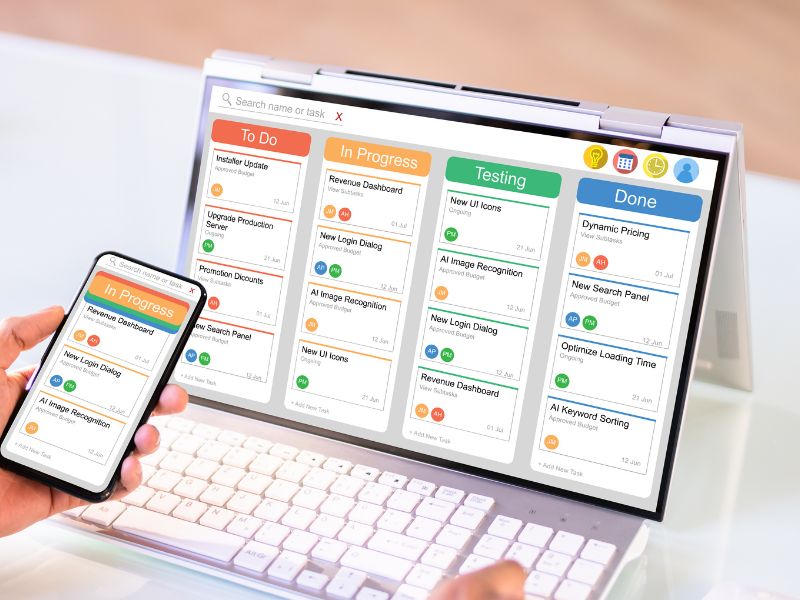
Developed a conversational help center assistant for a leading project management software provider, enabling users to search and retrieve answers from product documentation, PDFs, and the company website through natural language. Deflects repetitive support queries at scale, preserving agent capacity for high-complexity cases.

You are accountable for organizational efficiency and operating leverage. Right now, every efficiency initiative requires hiring more people to do more coordination work. Headcount scales linearly with volume. AI agents decouple operational throughput from headcount growth. You get to stop solving the same coordination bottlenecks every year and start building an operations function that scales without proportional cost growth.
"My operations team is talented and expensive. I need them solving business problems, not routing approval emails and updating CRM fields."
Your IT operations team is stretched: incident volume grows, alert noise increases, and the gap between detection and resolution widens every quarter. The engineers who should be building infrastructure are spending their best hours being the first line of noise filtering. AI agents that handle Tier 1 triage, alert correlation, and first-response playbooks give your engineering talent back to engineering work.
"We get 2,000 alerts a week. Maybe 50 matters. My team spends Monday through Wednesday figuring out which 50. That is not sustainable."

Your highest-paid support staff are answering questions they have answered thousands of times before. Your CSAT scores depend on response time and resolution quality that are both bottlenecked by agent availability. Automating the 70–85% of tickets that follow predictable patterns gives your best people back to the accounts and cases that actually require human expertise and relationship management.
"We handle 3,500 tickets a week. At least 2,500 of them have been answered before. My team is being used as a search engine."
RPA automates predictable, structured, linear tasks. It mimics keystrokes and clicks, and breaks the moment anything changes. For example, a field moves, a form updates, or a process step is reordered. AI agents are categorically different: they observe context, reason through exceptions, communicate across systems using meaning rather than screen positions, and complete workflows even when the process varies. Where RPA requires a perfect, predictable process and fails on exceptions, agents handle exceptions as part of normal operation. In practice, the right architecture often uses both: RPA for high-volume, perfectly predictable steps; AI agents for the decision and exception layer that surrounds them. The economic case for adding agents is not replacing RPA; it is eliminating the human labor that currently handles everything RPA cannot.
Autonomy is graduated and configurable, not absolute. For every agent we deploy, we define a confidence threshold below which the agent holds the action and routes to a human reviewer.
With its recommendation pre-populated and its reasoning shown. We implement reversibility windows for actions that can be undone, and hard locks for actions that cannot. Every action is logged in an immutable audit trail: what the agent saw, what decision it made, what it did, and when.
The result is a system where the AI handles 80–85% of cases it can handle confidently, and humans are reserved for the cases that genuinely require them, with full context already assembled. This is not a safety aspiration; it is the production architecture we deploy in regulated environments every day.
The best starting candidates share three properties: high volume, defined outcomes, and a current human bottleneck.
Typically, these are:
In the Week 1–2 discovery phase, we map your operational workflows, identify the top 3 automation candidates by volume and complexity, and build a conservative ROI estimate for each before you commit.
Our standard guidance is to start with the process where a 60-day agent deployment will produce numbers your CFO can see, and your board will ask about.
It complements rather than replaces. The usual pre-configured automation tools handle well-defined, structured workflows within the selected ecosystem effectively. What they do not do well is multi-system reasoning, exception handling, and processes that require interpreting unstructured context from multiple sources.
This suite adds the intelligence and execution layer that sits above your existing investments: our agents can trigger flows, read from existing CRMs, write to sales-handling software, and handle the judgment layer that your current automation cannot cover. Think of it as extending your automation ceiling, not replacing the floor.
“First agent live in 8 weeks” means a working production agent configured against one specific workflow you define in discovery, like processing real transactions, connected to your actual systems, with your access controls and audit logging active.
It is not a demo environment or a proof-of-concept. It includes:
Scope is fixed, which is how we commit to the timeline. What it does not include: workflows not scoped in discovery, integrations with systems not identified upfront, or custom feature development.
Human oversight is a configurable design parameter, not an afterthought. For any action category you designate as requiring human approval, like financial commitments above a threshold, contractual changes, customer-facing communications, or compliance-related decisions, the agent prepares the complete case and routes it to the designated approver.
The approver reviews and confirms or overrides; their decision is logged with a timestamp, user identity, and reason.
This architecture is precisely what regulators under SOX, HIPAA, ISO 27001, and internal audit frameworks want to see: not “the AI decided” but “the AI prepared the case and a designated human authorized it.”
We have deployed this model in healthcare, financial services, and audit environments where this distinction is non-negotiable.
Integration is handled through API connectors, like REST, GraphQL, and event-driven integrations with major platforms.
The suite has pre-built integration patterns for ServiceNow, Salesforce, SAP, Microsoft Dynamics, Jira, Zendesk, Azure DevOps, and common ticketing and CRM systems. Integration scope is defined explicitly in the Week 1–2 discovery phase; you will know exactly what connects to what, at what data access level, before development starts.
Your IT team provides credentials and access permissions; our engineers handle the integration build, testing, and validation.
The agent’s fallback behavior is designed before deployment, not discovered in production. During discovery, we work with your operations team to map known exception types and define the escalation path for each.
Unknown scenarios are genuinely novel inputs that do not match any trained pattern, trigger a configured fallback: the agent routes to a human reviewer with full context, flags the case for logging, and records it for model improvement in the next tuning cycle.
Agents do not fail silently. Every stuck or uncertain case surfaces with full transparency, including what the agent observed, why it could not resolve it, and what it recommends as a next step.
The chatbots you tried were information retrieval tools; they answered questions. This suite deploys agents that execute actions and complete workflows.
The difference is fundamental. If an employee submits a request and the system produces an answer, they have to act on it; the system is optional and will be abandoned when it is inconvenient. If the system actually does the work, like submits the ticket, routes the approval, updates the record, sends the follow-up, it becomes load-bearing infrastructure that is used because it removes effort, not because it is engaging.
Adoption failure for action-oriented agents is dramatically lower than for information-retrieval chatbots precisely because the value is concrete, immediate, and felt on the first interaction.
Our simple answer is “Minimal”. The deployment is engineered to be self-maintaining within defined parameters. The IT department’s ongoing role is access management and flagging process changes that affect agent scope.
During the 90-day hypercare period, all tuning, monitoring, and adjustments are handled by ThirdEye Data directly.
Post-hypercare, managed service options provide ongoing monitoring, model updates, and accuracy reviews on a retained basis. Your IT team is a stakeholder in the system, not a resource commitment required to run it.
Agent configuration has two layers: the reasoning logic, which handles variation well at the model level, and the process rules, which are configurable without redeployment.
For minor workflow changes, a new field, a changed routing rule, an updated escalation threshold, or configuration updates are handled without full redeployment, typically within 2–3 business days under a managed service agreement.
For significant process redesigns, we scope a change order. The key question we ask in discovery is: how stable is this process over a 12-month horizon? For high-churn workflows, we build more configurability into the agent architecture from the start.
Your data is always yours. All workflows processed by agents, all structured outputs, all audit logs, and all configuration data are stored in your environment, not in our infrastructure.
If you decide to move to a different solution, you retain all your data and all the process intelligence generated during the deployment. At the application layer, we use open API standards for integrations, so your source systems do not require reintegration if you swap the agent layer.
We are confident enough in the system’s value that we do not build retention through architecture lock-in.
The ROI framework for agentic operations has three primary metrics.
We build a measurement framework into every deployment so you have the data to report to leadership with confidence, not just usage statistics, which your board will correctly dismiss as vanity numbers.
From a specific use case to a full-scale modernization, share your requirements, and our engineers will take it from there. We typically respond within 24 hours with a transparent, detailed assessment of what's possible for your business.

We are a full-stack AI development company that helps enterprises make better decisions, reduce costs, and operate more efficiently.




333 West San Carlos Street, San Jose, CA 95110 USA
6000 Rome Blvd, Brossard, Quebec J4Y 0B6 Canada
Technopolis, Kolkata, India
CTIE, Hubli, India
We are a full-stack AI development company that helps enterprises make better decisions, reduce costs, and operate more efficiently.
333 West San Carlos Street, San Jose, CA 95110 USA
India: Kolkata, WB & Hubli, KA
Canada: Brossard, Quebec