
Your real estate portfolio is one of your largest capital commitments. You are managing it with spreadsheets, manual surveys, and PDF leases.
Corporate real estate is the second-largest cost on most balance sheets and one of the least intelligently managed. Floor plans are surveyed by hand. Lease obligations are buried in PDFs. Space utilization is guessed, not measured. Facilities failures are discovered after they happen. Real Estate & Facilities Intelligence is a pre-configured AI suite that gives property, facilities, and legal teams the operational intelligence to manage their portfolio as a precision asset.

Of revenue consumed by corporate real estate costs
Average office space sits underutilized globally
Reduction in manual survey time with AI spatial tools
Faster contract review and lease obligation extraction
These are not technology problems. They are revenue and productivity problems that happen to live inside your operational infrastructure.
Space that sits empty or under-occupied still carries full lease cost, maintenance cost, and property tax burden. Without real occupancy intelligence, portfolio decisions are made on assumptions. The result is lease renewals on space you do not need and an inability to make the case for consolidation or subleasing with hard data.
Traditional space surveys require physical measurement teams, weeks of scheduling, and manual CAD entry prone to transcription error. A single building survey that should inform lease negotiations, move planning, or renovation budgets takes weeks instead of hours. AI-powered spatial analysis systems do the same work in minutes.
A portfolio of 50 leases contains hundreds of critical dates, obligations, and rights buried in thousands of pages. Missed rent escalation triggers, overlooked tenant improvement allowances, and expired break options translate directly into financial exposure. Teams reviewing manually cannot maintain the vigilance that a document AI system can.
This suite covers the full lifecycle of property intelligence: spatial, legal, operational, and safety. Each module is built from AI capabilities that ThirdEye Data has already deployed in production environments. All four operate as a unified system.

This module serves two distinct workflows through one integrated spatial AI engine. For corporate real estate and facilities teams: AI spatial analysis converts room photos from mobile cameras into occupancy maps, utilization benchmarks, and space analytics across the full portfolio. For civil engineers and design teams: Arch Plan AI processes existing floor plan images and building photographs, extracts every structural element at 98.5% detection accuracy, and exports DXF files that load directly into AutoCAD.

Applies LLM and agentic document AI to your lease portfolio, purchase agreements, title documents, and service contracts. The system extracts critical dates, financial obligations, tenant rights, termination clauses, and renewal options from unstructured PDF and document formats, and builds a structured, queryable knowledge base from your contract portfolio. GenAI-powered contract Q&A allows legal and real estate teams to interrogate the portfolio in plain language.

Applies predictive intelligence to building systems: HVAC, electrical, plumbing, elevators, and mechanical infrastructure. Sensor data from building management systems feeds continuous health models that detect anomaly signatures before they become failures. Work order automation routes service requests by priority, asset risk, and vendor availability. CMMS integration means the intelligence layer works within your existing facilities management workflow. Occupant experience metrics are correlated with system performance to prioritize interventions.
Deploys computer vision on construction site camera feeds and facility surveillance to detect HSE non-compliance in real time: missing PPE, unsafe proximity to hazards, blocked emergency exits, unauthorized zone entry. Detection accuracy exceeds 90% across PPE categories. Automated alerts reach safety supervisors within seconds of a violation, replacing manual CCTV monitoring with an always-on compliance system. Inspection records, compliance reports, and incident logs are generated automatically for regulatory submissions.
Real estate and facilities intelligence is not a single-industry capability. These modules have been deployed across corporate portfolios, architecture firms, logistics operations, and construction environments, each with documented business outcomes.
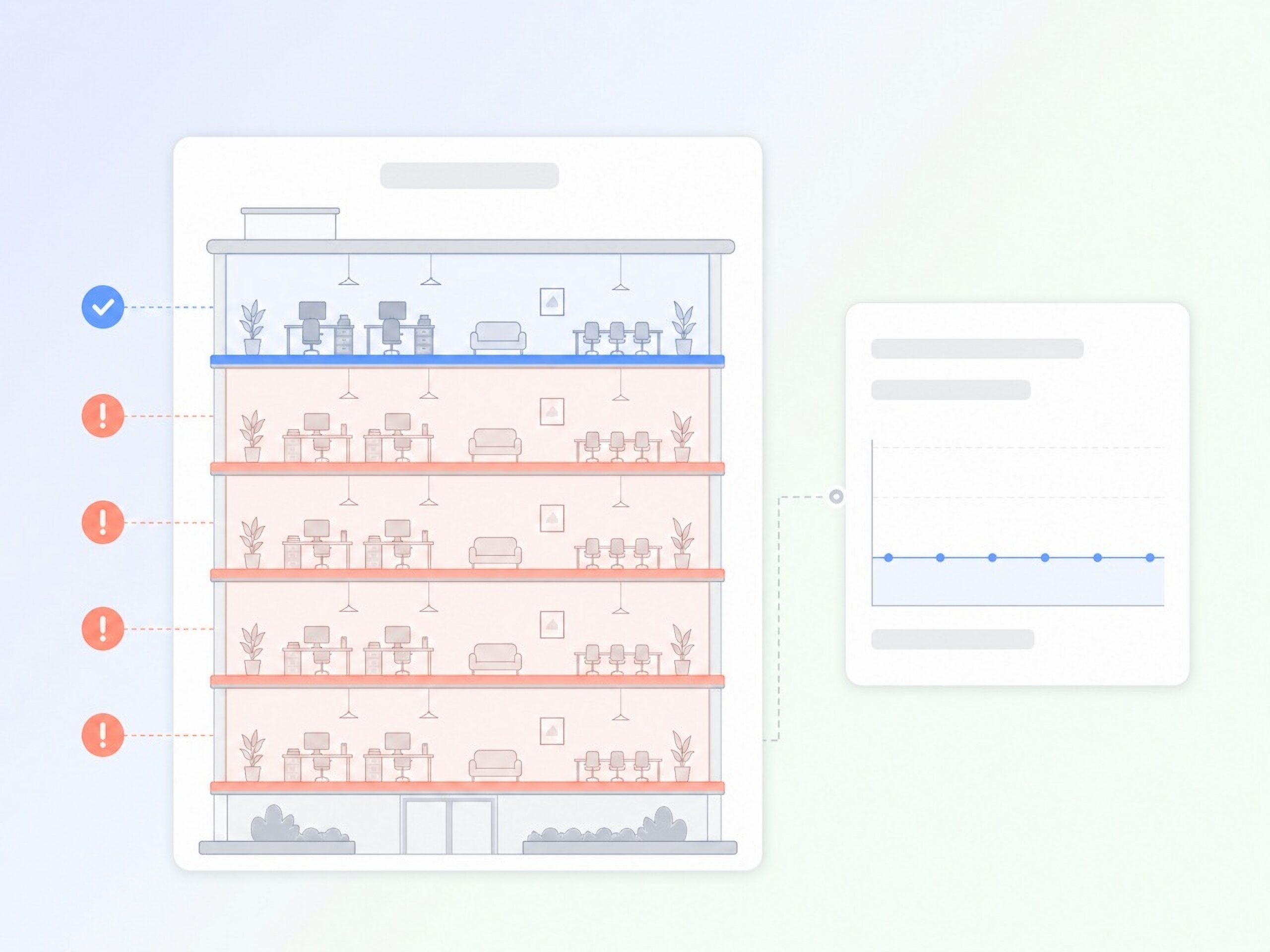
Measures actual occupancy density and utilization patterns across office and commercial space using AI spatial analysis, not badge data or calendar bookings. Surfaces underutilized floors and buildings with hard data sufficient to support sublease decisions, lease non-renewal recommendations, and consolidation planning in front of the CFO.
Business Outcome: Eliminate guesswork from portfolio decisions; build the financial case for consolidation with defensible data.
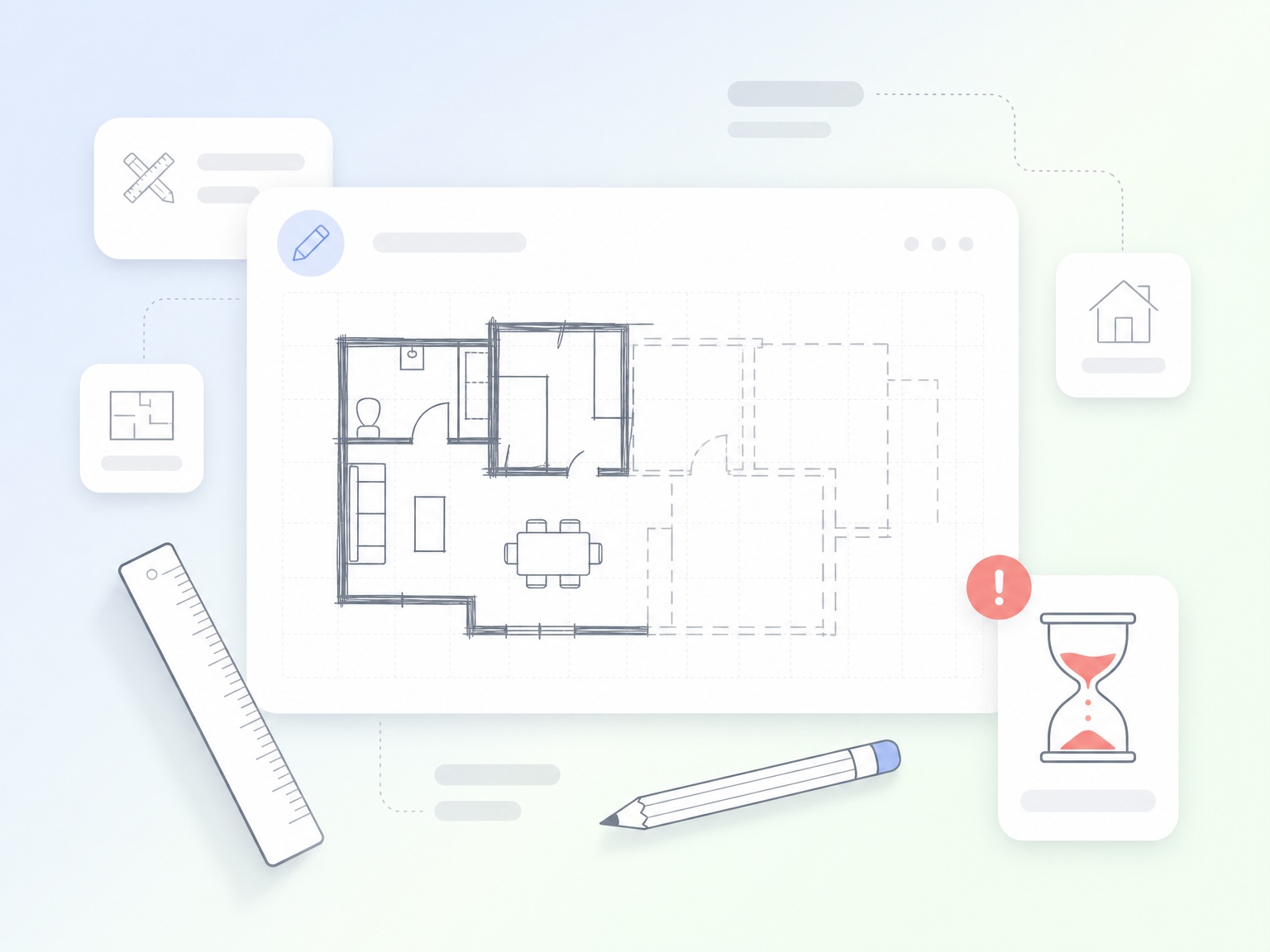
Civil engineers documenting existing structures, planning renovations, or producing as-built records photograph the floor plans or building spaces on site. Arch Plan AI extracts all structural elements at 98.5% accuracy and outputs DXF files that load directly into AutoCAD or Revit. The manual CAD drafting step is eliminated. Days of drafter time per project are compressed to minutes per floor plan.
Business Outcome: Days of CAD drafting → minutes per floor plan; DXF output compatible with AutoCAD, Revit & all major CAD platforms
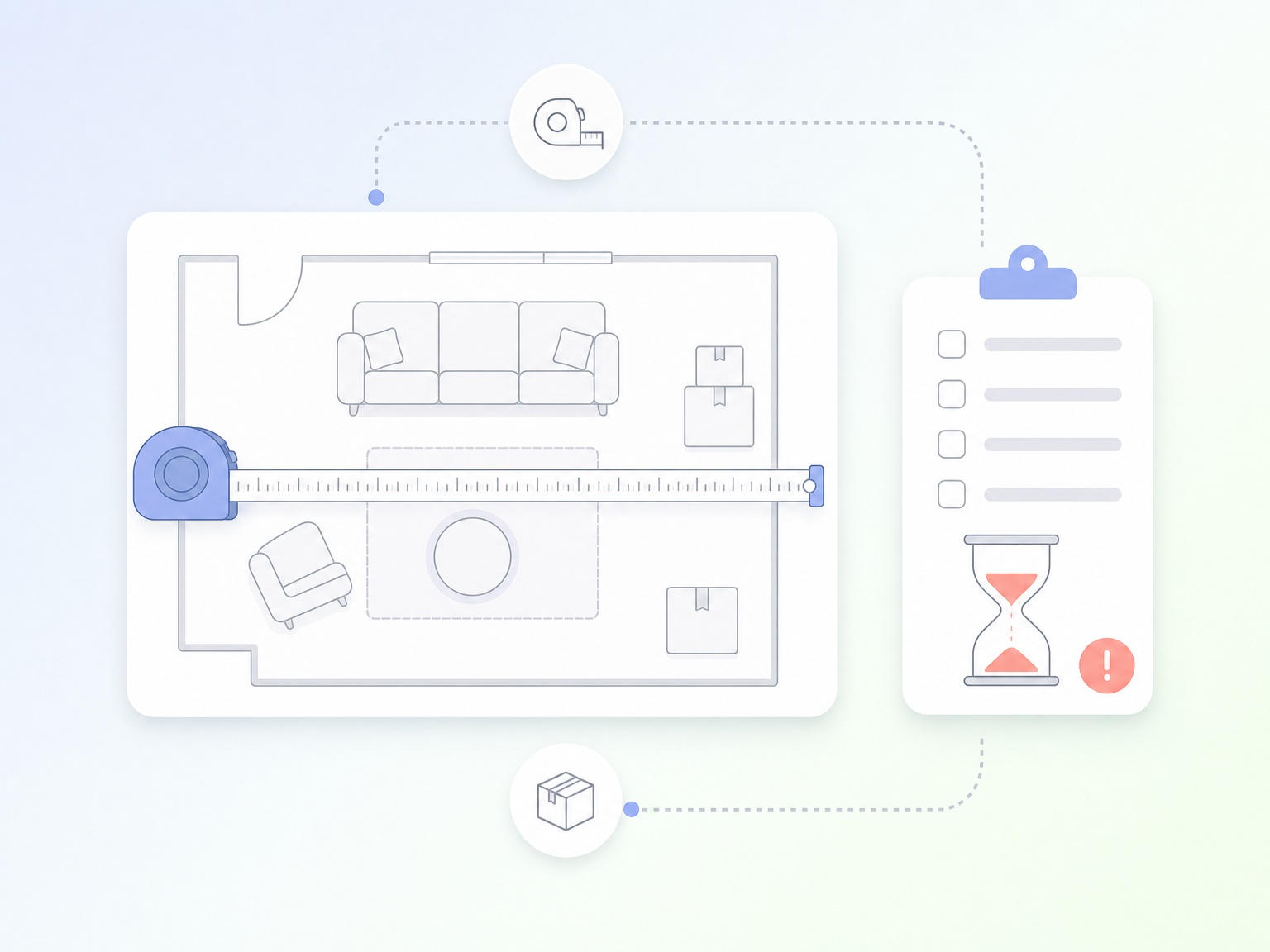
Automates the inventory and measurement phase of office relocation planning using computer vision. The system detects and classifies furniture items from site photography, estimates spatial footprints, and outputs move logistics data, eliminating the manual survey that consumes the first weeks of every facility’s move project.
Business Outcome: 90%+ detection accuracy; weeks of manual survey effort eliminated per project
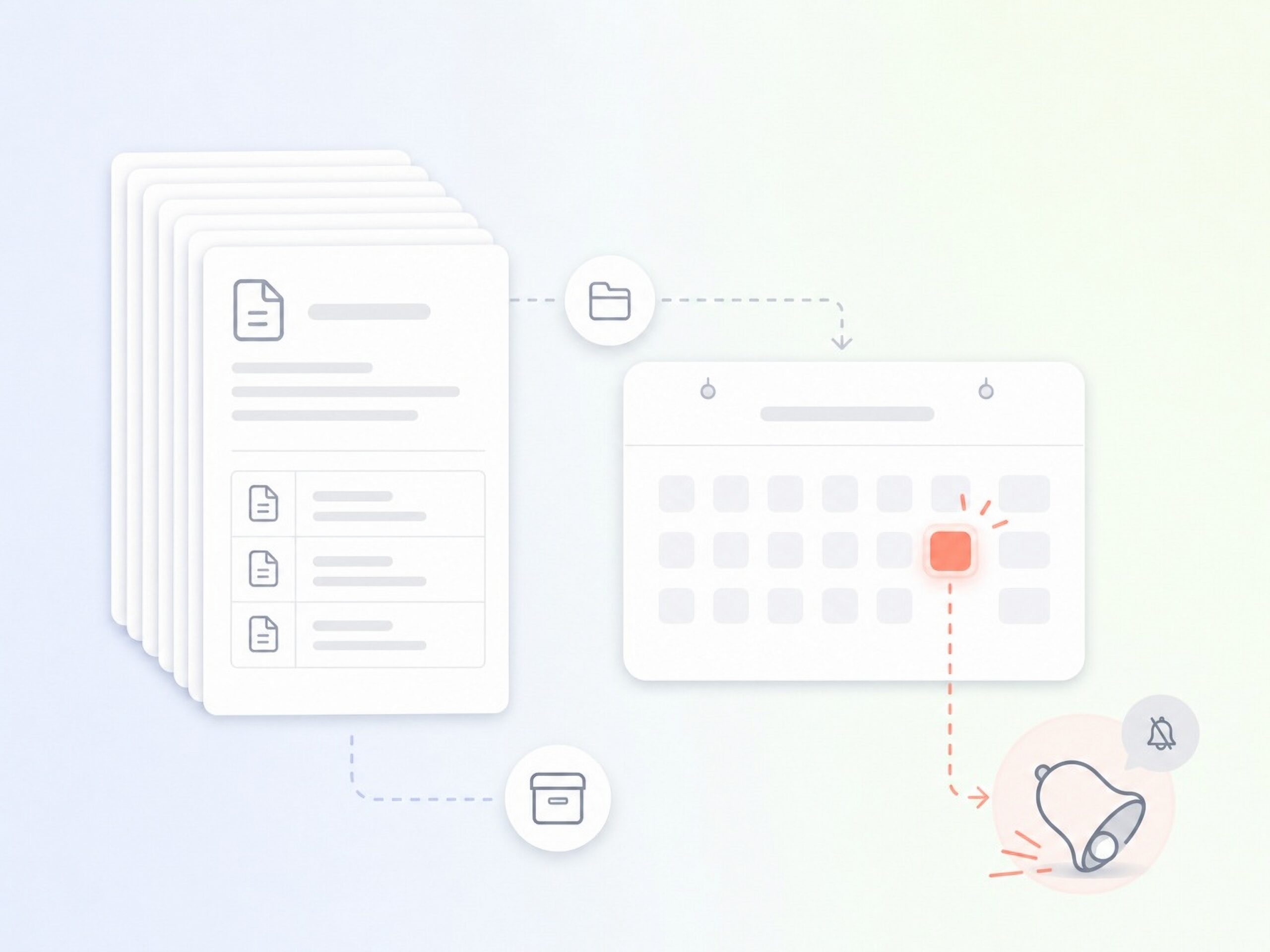
Processes entire lease portfolios through agentic document AI, extracting critical dates, financial obligations, tenant rights, and termination conditions from unstructured PDFs. Legal teams gain a structured, searchable contract knowledge base with automated renewal and obligation alerts, replacing the manual review cycle.
Business Outcome: Missed obligations reduced to near zero; 70% faster contract review across the full portfolio
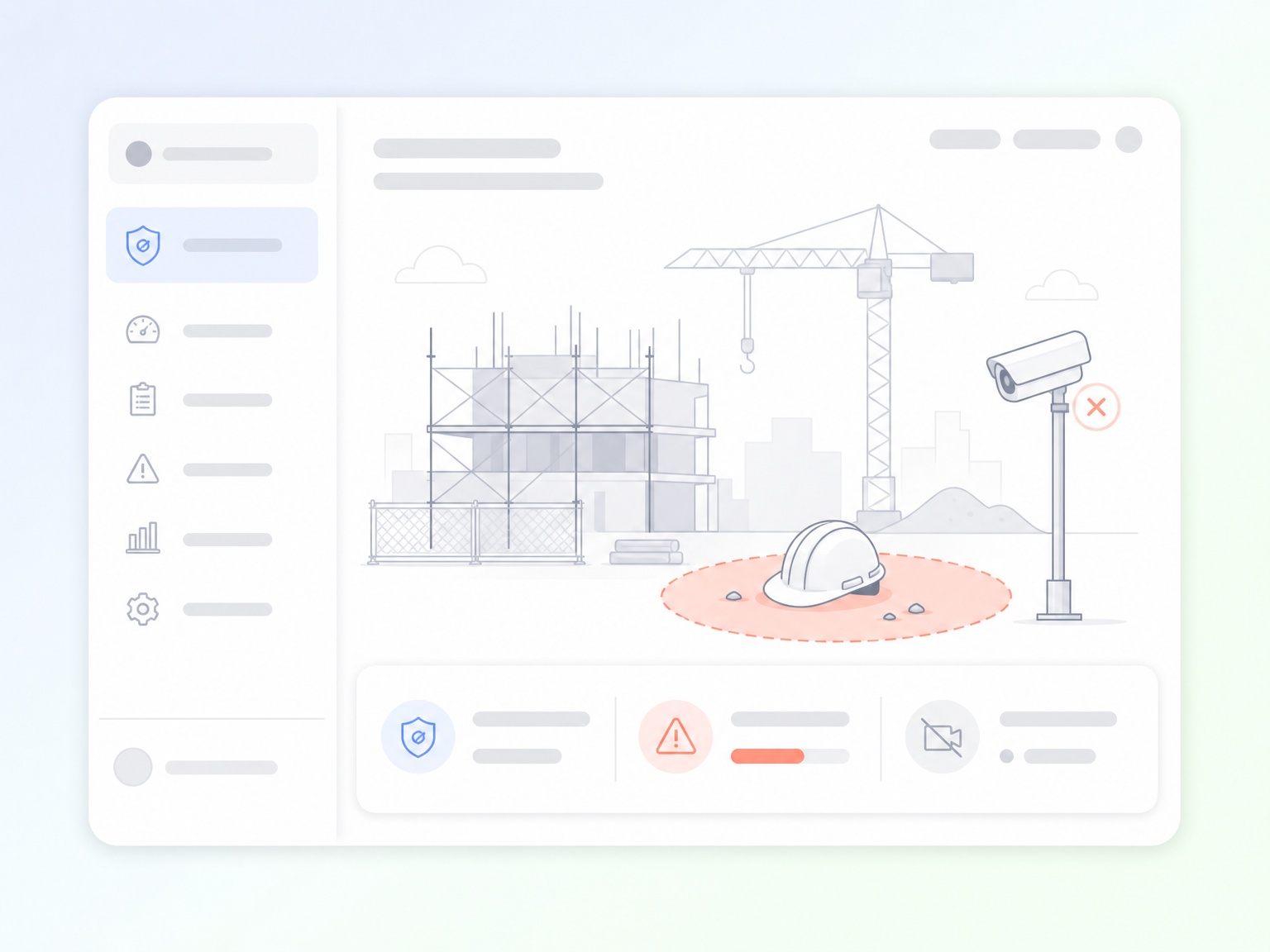
Monitors construction site camera feeds using computer vision to detect PPE non-compliance, restricted zone violations, and proximity hazards in real time. Safety supervisors receive immediate alerts rather than discovering violations in post-incident review. Automated compliance logging supports regulatory submissions.
Business Outcome: 70% reduction in manual safety monitoring overhead; real-time hazard response instead of post-incident review
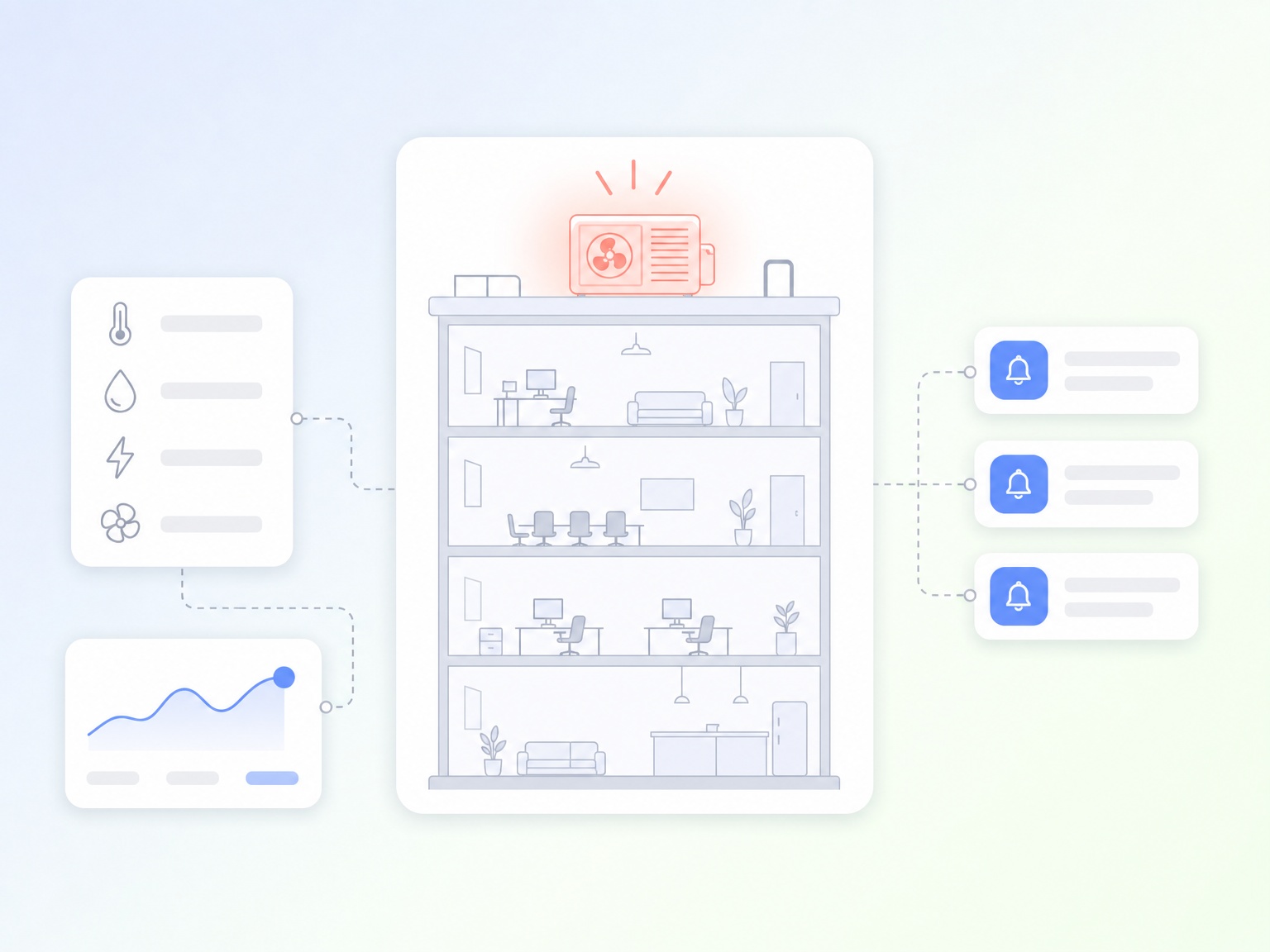
Applies sensor-based predictive intelligence to HVAC, electrical, and mechanical building systems to detect failure signatures before they produce tenant complaints, system outages, or emergency repair costs. Predictive intervention windows are surfaced through work order automation integrated with existing CMMS platforms.
Business Outcome: Reduced emergency repair costs; improved tenant experience; planned maintenance replacing reactive response
Every module in this suite is built from AI capabilities ThirdEye Data has already deployed for real clients. These are the case studies that prove the technology works at production scale.
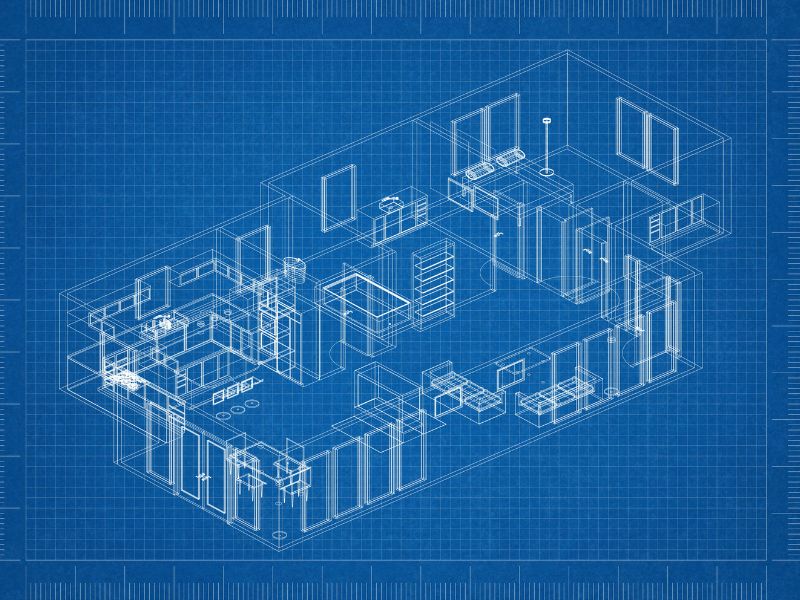
ThirdEye Data’s Arch Plan AI eliminates the manual CAD drafting step that consumes engineering and design teams’ most expensive hours. The system processes floor plan images and detects structural elements at 98.5% accuracy, extracts real-world dimensions via OCR and pixel-to-feet conversion, and exports DXF files that load directly into AutoCAD.
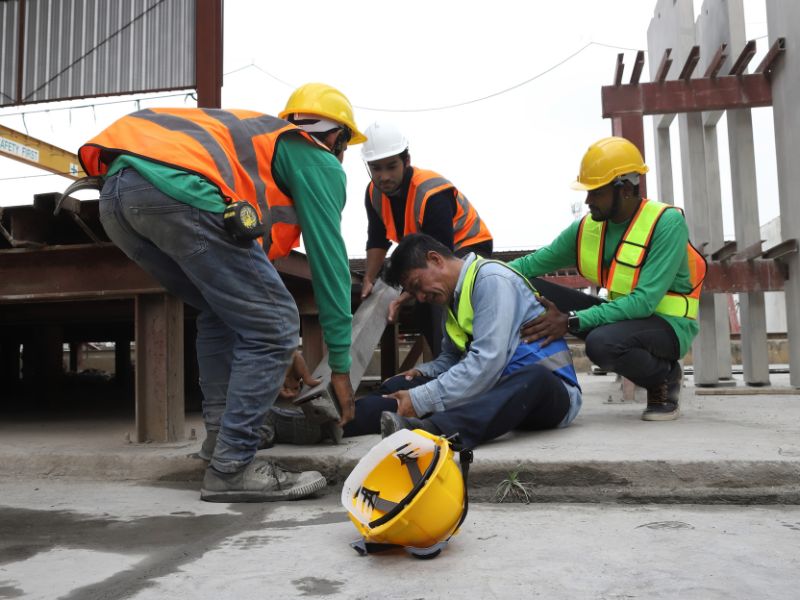
We built a real-time construction site safety monitoring system using computer vision deployed on existing camera infrastructure. The system detects PPE non-compliance, missing hard hats, vests, gloves, and safety goggles, as well as restricted zone violations and proximity hazards, achieving 90%+ accuracy across compliance categories. Safety supervisors receive real-time alerts within seconds of a violation.
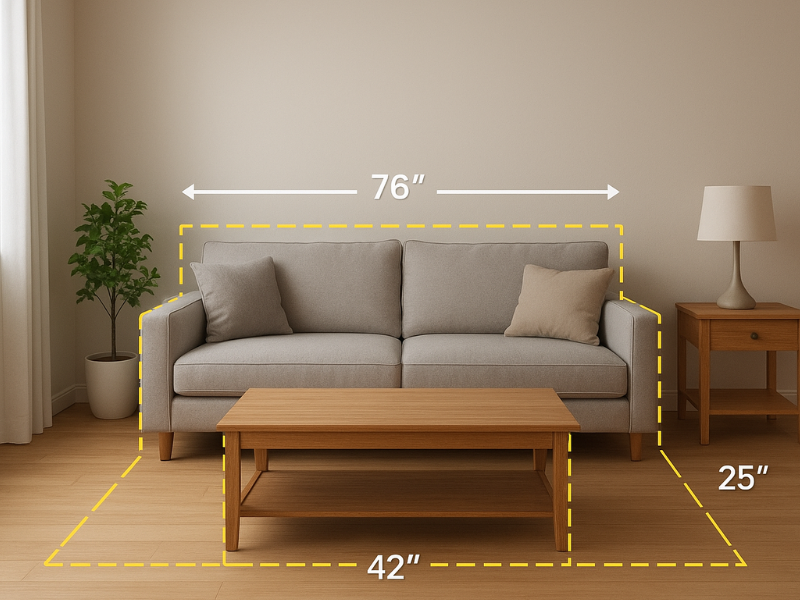
A UK-based logistics and relocation company engaged us to eliminate manual furniture surveys from their move planning workflow. We built a computer vision system that detects and classifies furniture items from site photography, estimates spatial dimensions and footprint, and generates move logistics data automatically. The system achieved 90%+ detection accuracy and reduced survey time by 80% per engagement.

Managing real estate as a cost line rather than an intelligence-driven asset. Lease renewals are made without current utilization data. Consolidation opportunities are missed because the spatial data to make the case does not exist in an actionable form. Needs a portfolio intelligence system that converts property cost into a managed asset with measurable utilization, financial exposure visibility, and a defensible optimization roadmap.
"If you can show me which buildings are running at 40% utilization, I can make the consolidation case to the board in one quarter."

Running a reactive facilities operation where building system failures are discovered by tenant complaints, floor plan data is perpetually out of date, and move projects begin with manual surveys that consume the first month of every engagement. Needs spatial intelligence, predictive maintenance, and document automation that lets a lean team manage a complex portfolio without adding headcount every time the portfolio grows.
"I manage 40 buildings with a team built for 20. If AI can do the survey work and catch HVAC issues before they become helpdesk tickets, that is a different operating model."

Responsible for a lease portfolio where every critical date, financial obligation, and tenant right is buried in a PDF. Managing renewal risk and obligation compliance with a spreadsheet and calendar reminders. One missed break option or overlooked rent escalation clause is a material financial event. Needs a document intelligence system that tracks obligations continuously across the full contract estate.
"We have 200 leases. A missed break option in a lease I did not have bandwidth to review last quarter cost us $2M in committed rent. That cannot happen again."

Spending more time producing and version-controlling documentation than on actual engineering. Field surveys are manual. CAD drafting from site photographs takes days per project. As-built documentation falls behind active construction schedules. Arch Plan AI automates the spatial documentation pipeline, turning site photos and sketches into CAD-ready floor plans without manual drafting.
"If floor plan generation and as-built documentation is automated, my team handles three times the project volume with the same headcount. That is the business case."
Yes, that is precisely what the spatial module is designed for. It generates digital floor plans from photographs, architectural sketches, or physical site surveys using computer vision. You do not need a pre-existing CAD library or digitized blueprint inventory. We start from whatever visual documentation exists, even smartphone photographs of physical drawings, and produce measurement-accurate digital outputs from there.
Arch Plan AI achieves 98.5% wall detection accuracy from floor plan images, with structural element detection (doors, openings, column positions) and OCR-based annotation extraction operating at production-grade tolerances. DXF exports load directly into AutoCAD and Revit without manual correction for the vast majority of use cases — including as-built documentation, renovation planning, and engineering design coordination. For structural analysis work where dimensional precision is critical to load calculations or code compliance, we recommend spot-checking AI-generated dimensions against field measurements on critical structural elements. For space planning, move logistics, portfolio benchmarking, and architectural coordination, the AI outputs are production-grade and field-ready.
The document module processes PDFs, Word documents, scanned image-based leases (via OCR), and structured lease data exports from common IWMS platforms. It handles multi-page commercial leases, ground leases, subleases, license agreements, and service contracts. Documents do not need to be in a standardized format — the agentic AI system is designed to extract structured intelligence from unstructured and inconsistently formatted legal documents.
The system builds a structured obligation register from your lease portfolio, then monitors it against a configurable alert calendar. You define which clause types generate alerts — renewal windows, break options, rent escalation triggers, insurance certificate deadlines, tenant improvement allowance expirations — and at what lead time before the obligation date. Alerts route to the designated owner via email or integration with your existing calendar and task management system. The configuration is managed by your team, not ThirdEye — you own the obligation logic.
No. The Facilities Operations module integrates with your existing CMMS rather than replacing it. Predictive failure signals and risk-ranked work order priorities are pushed into your existing platform — your team keeps their current workflow, and the AI adds the intelligence layer that tells them what to prioritize and why. Integration with common CMMS platforms (IBM Maximo, ServiceNow Facilities, Archibus, FM:Systems) is supported and scoped during the discovery phase.
The safety module works with your existing IP camera infrastructure. We do not require proprietary hardware. The computer vision models run on-premises at the edge or in a private cloud environment, processing feeds from your current surveillance system. If camera coverage is insufficient for specific zones, we can advise on gap coverage additions — but the baseline investment in new hardware is typically minimal against the value of the compliance coverage delivered.
Lease documents typically contain commercially sensitive and legally privileged information. The suite is available for fully on-premises or private cloud deployment — your documents never leave your network perimeter. We do not use your contract data to train shared models. All document processing is isolated to your deployment environment. ThirdEye Data is ISO 27001 certified and SOC 2 Type 1 compliant, and we can provide our security documentation for legal and procurement review.
Portfolio onboarding speed depends on volume and document condition. A portfolio of 50 well-formatted leases can be processed and obligation-registered within 2-3 days of document ingestion. A portfolio of 500 leases including scanned historical documents typically completes initial processing within 2-3 weeks. The ongoing monitoring layer — tracking obligations and alerting on approaching dates — activates as documents are processed, so value delivery begins immediately and compounds as coverage grows.
It is directly relevant, and Module 1 was built with engineering and design firms in mind. Civil engineers use Arch Plan AI to eliminate the manual CAD drafting step: photograph or scan an existing floor plan, upload it, receive a DXF file that loads into AutoCAD or Revit in under a minute. Firms documenting existing structures, producing as-built records, planning renovations, or managing project portfolios with large floor plan volumes use batch processing to handle entire building inventories at once. The site safety module is equally applicable for firms running active construction sites requiring continuous HSE compliance monitoring. The lease intelligence and facilities operations modules are designed for corporate occupiers and property managers — if those are not part of your workflow, you deploy only the modules that apply. The suite is modular by design.
From a specific use case to a full-scale modernization, share your requirements, and our engineers will take it from there. We typically respond within 24 hours with a transparent, detailed assessment of what's possible for your business.

We are a full-stack AI development company that helps enterprises make better decisions, reduce costs, and operate more efficiently.







333 West San Carlos Street, San Jose, CA 95110 USA
6000 Rome Blvd, Brossard, Quebec J4Y 0B6 Canada
Technopolis, Kolkata, India
CTIE, Hubli, India
We are a full-stack AI development company that helps enterprises make better decisions, reduce costs, and operate more efficiently.
333 West San Carlos Street, San Jose, CA 95110 USA
India: Kolkata, WB & Hubli, KA
Canada: Brossard, Quebec