
Contracts, policies, SOPs, audit files, support tickets, billions of dollars in business decisions hinge on data nobody can find fast enough.
The Enterprise Knowledge & Document Intelligence Suite is a pre-built, integrated AI system that turns your document infrastructure into a queryable, automated intelligence layer. A field-tested and ready-to-deploy packaged AI solution.
Pre-built AI Modules
First Module Goes Live
Extraction Accuracy
Real-world Deployments
Enterprises that attempt to build internal RAG pipelines, document extraction systems, and knowledge agents from scratch consistently underestimate the engineering depth required. And, consistently overestimate their timeline to production.
Forrester’s research confirms it: three out of four such initiatives fail before delivering value. The problem is not ambition. It is architecture, data readiness, and the specialized engineering experience that only comes from having deployed these systems in production, repeatedly, across different industries.
At ThirdEye Data, we have done exactly that. The suite you are looking at has been built, validated, and deployed with real enterprise clients. You are not buying a development engagement.
You are choosing a pre-configured, field-tested and ready-to-deploy AI system.
These are not technology problems. They are revenue and productivity problems that happen to live inside your operational infrastructure.
Finance analysts, legal teams, HR business partners, and operations leads spend nearly a third of their working day hunting for documents, policies, and data that already exist somewhere.
At $80K average salary, that is $16,500 in productivity loss per person per year.
PDFs, scanned contracts, handwritten notes, email threads, Word documents, the vast majority of what drives business decisions sits in formats that your CRM, ERP, and BI tools cannot read, query, or act on.
Every decision made without this data is a decision made with partial information.
A consulting firm who process of handwritten notes daily with a team of human transcriptionists, each taking 3 to 5 minutes per document. Whereis, the same documents are processed in under 20 seconds with IDP systems.
At scale, that difference is measured in hundreds of thousands of dollars per year.
Each module is production-ready and can be deployed independently. Together, they form a complete system. From document ingestion to knowledge retrieval to automated resolution to business analytics. You pick your starting point. We deploy the rest as your organization is ready.

Optira is ThirdEye’s proprietary document intelligence platform. It processes any document, including PDFs, scanned forms, handwritten notes, spreadsheets, contracts, and extracts structured data with 99%+ accuracy via a built-in AI validation layer. Business users query that data in plain English through a GPT-backed chat interface, backed by semantic search.

A secure, enterprise-grade search layer that sits over your indexed document corpus and answers questions in natural language, with source citations, confidence scores, and role-based access controls. This is not a general-purpose search bar. It is a knowledge retrieval system that understands meaning, not just keywords, and respects your existing access permissions.

The analytics layer that sits on top of all knowledge activity in the suite. Business users ask questions like “What were the most common rejection reasons this quarter?” or “Which document categories have the longest processing times?” and receive structured answers with charts, generated by the AI system, not by a BI developer. Non-technical users get analyst-grade insight on demand.
The Enterprise Knowledge & Document Intelligence Suite helps organizations centralize, unlock, automate, and operationalize enterprise knowledge with AI.
Find Answers Across Enterprise Knowledge Instantly
Enable employees to retrieve trusted answers across documents, systems, and repositories through conversational AI.
Business Value Delivered:
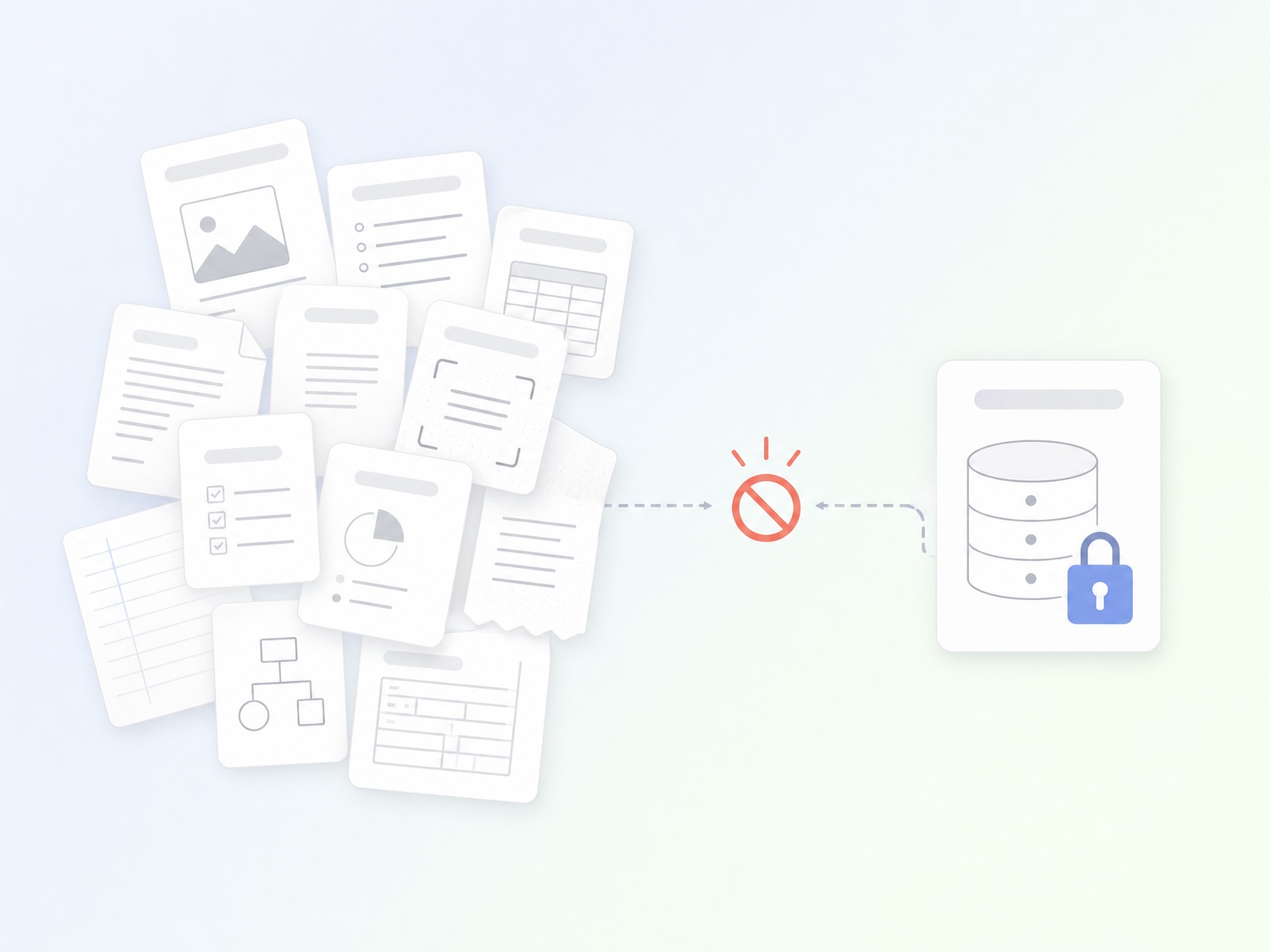
Turn Unstructured Documents Into Structured Intelligence
Automatically process and understand high volumes of business documents, without manual review bottlenecks.
Business Value Delivered:
Protect Business Knowledge Before It Walks Out the Door
Preserve critical expertise and operational know-how as employees transition roles, retire, or leave the organization.
Business Value Delivered:
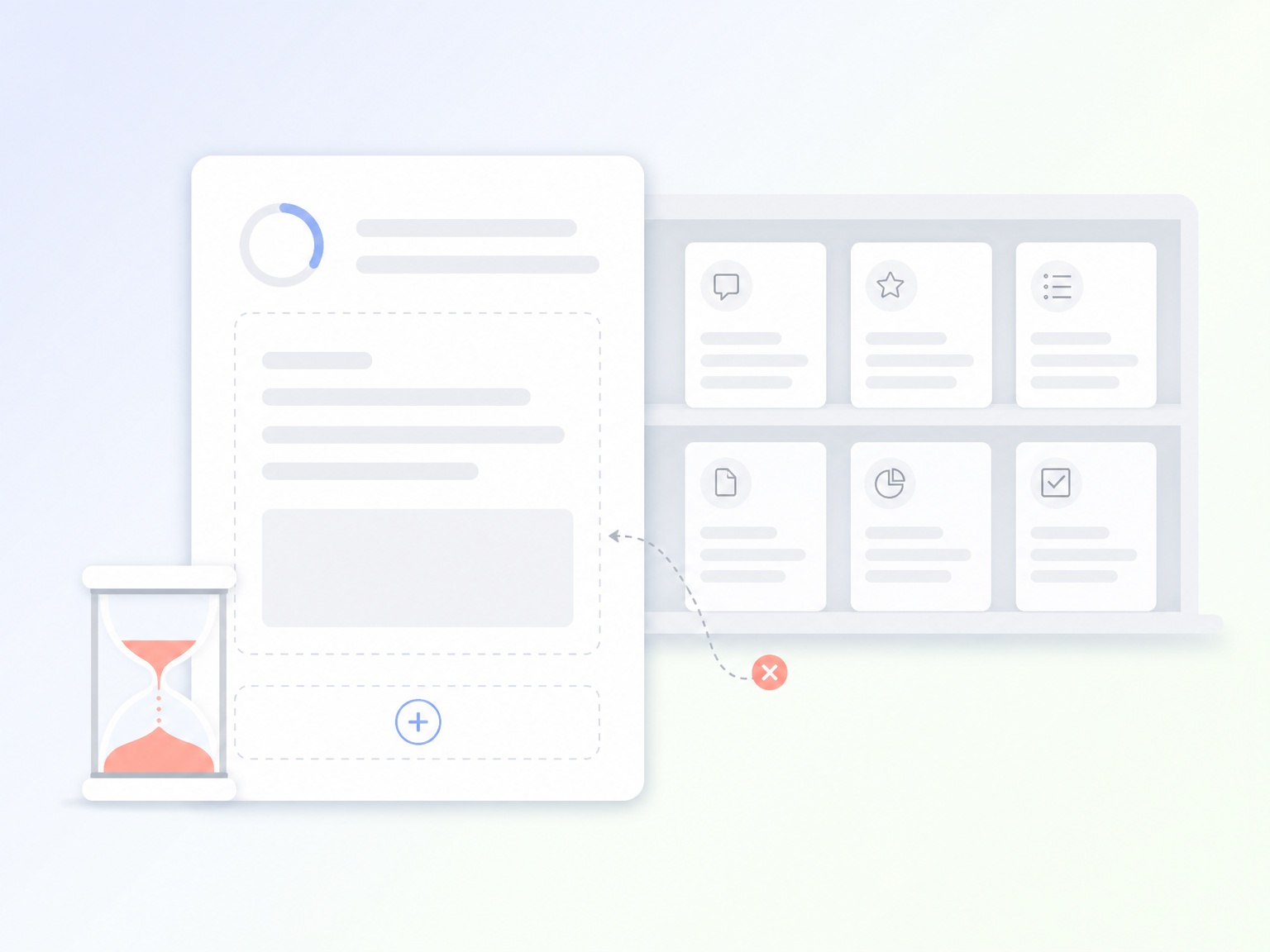
Respond Faster. Reuse What Already Works.
Accelerate proposal creation, support ticket resolution, and service delivery using enterprise knowledge already available inside the organization.
Business Value Delivered:
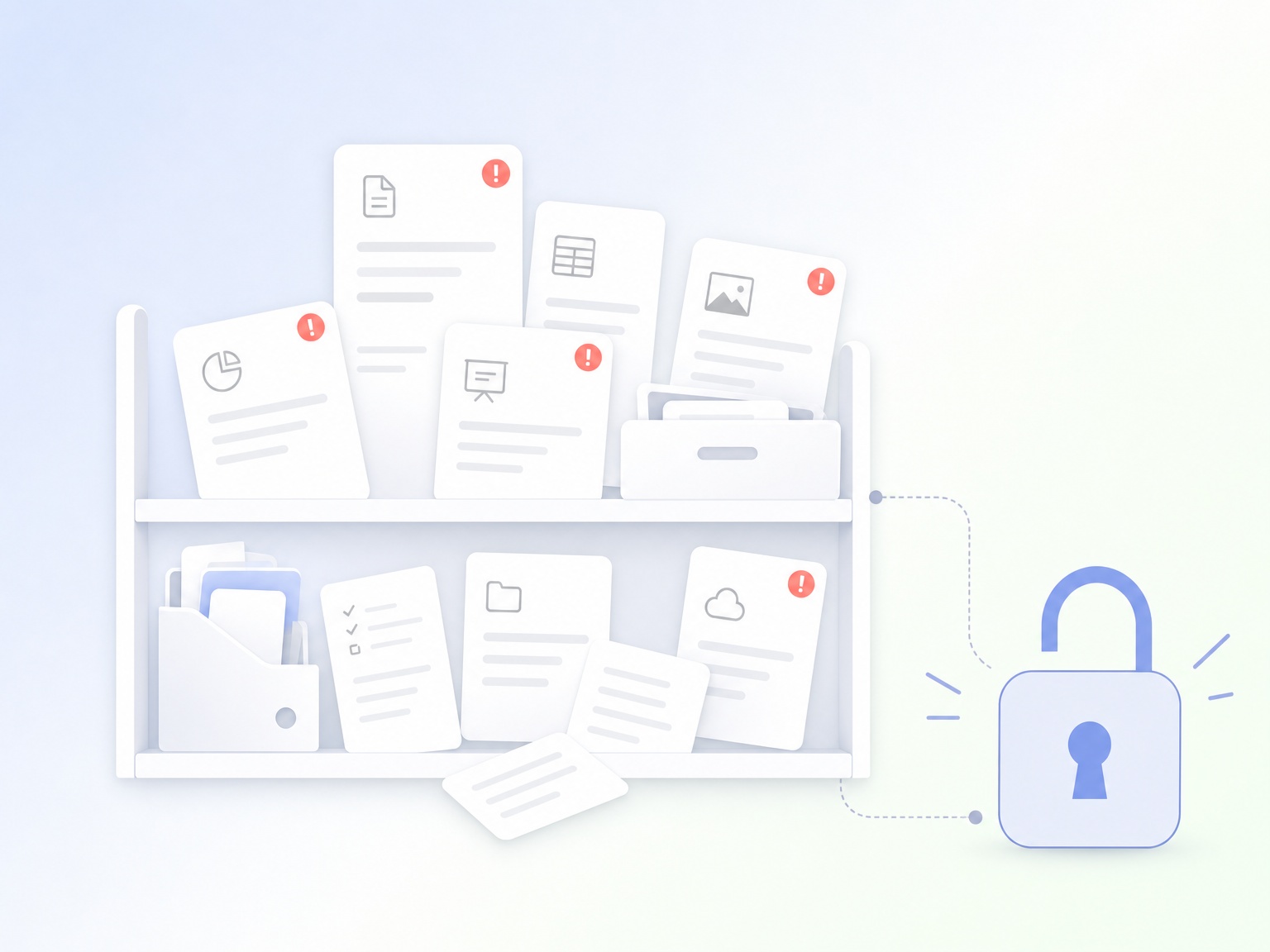
Ensure Trusted, Secure, and Compliant Enterprise Knowledge
Maintain control over enterprise content quality, governance, and regulatory requirements at scale.
Business Value Delivered:
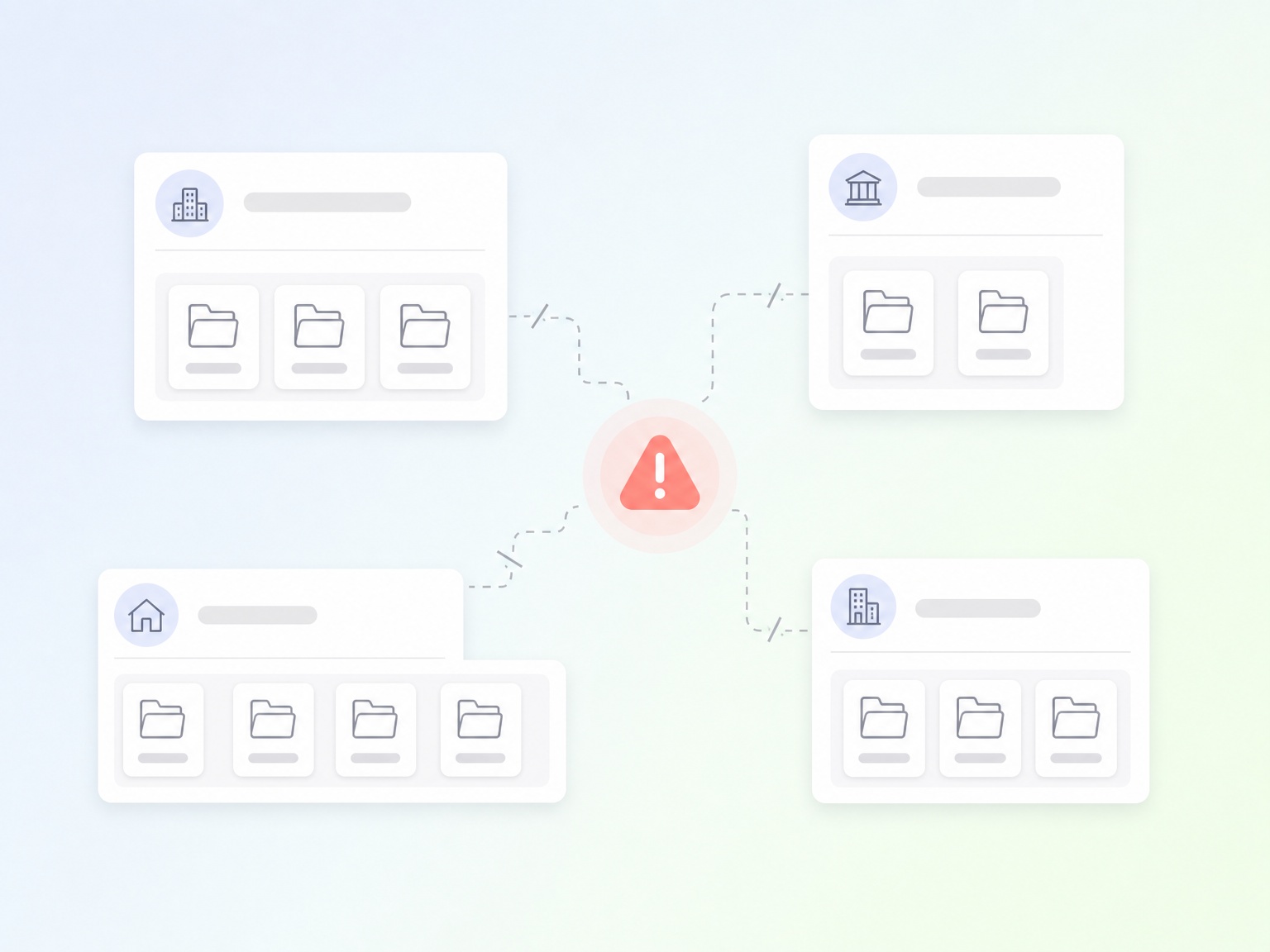
Unify Knowledge Across Systems, Teams, and Change Initiatives
Bring together fragmented information during mergers, digital transformation, or enterprise restructuring.
Business Value Delivered:
Every engagement below was deployed in production for a real enterprise client. Where we have specific metrics, we show them. Where we do not publish exact figures at client request, we describe the outcome accurately.

Deployed Optira on-premise to process thousands of handwritten medical notes, prescriptions, and intake forms daily across a distributed pharmacy and clinical practitioner network. Zero data left the local network at any point.

Built an AI-powered knowledge repository agent that transforms how IT professionals access SOPs, runbooks, incident histories, and organizational policies, through natural conversation rather than document navigation.

Developed a Generative AI platform that extracts structured entities from PDFs, XLS, and DOC files across multiple sources, eliminating weeks of manual document review during audit cycles and compliance reporting periods.

Designed and deployed an intelligent AI agent that provides context-aware, permission-respecting search across large volumes of enterprise content, accurate, cited responses for every query, with no documents surfaced outside the requester’s access level.

Built an automated pipeline integrating the client’s enterprise CRM, FastAPI, and advanced LLMs to convert unstructured ticket threads into structured metadata, routing, classifying, and resolving queries autonomously against a connected knowledge base.
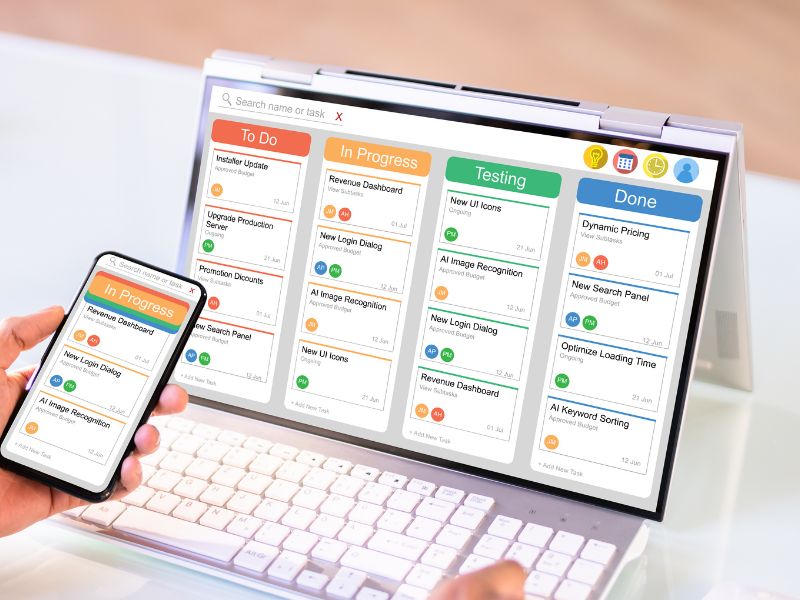
Developed a conversational help center assistant for a leading project management software provider — allowing users to search and retrieve answers from product documentation, PDFs, and the company website through natural-language conversation rather than keyword search.

You're accountable for organizational efficiency. Your teams are re-doing work, re-answering questions, and operating on incomplete information because the knowledge infrastructure is broken. Every initiative that requires "let me pull that document" is a sign of the problem.
"We have 600 people. Easily 30% of their time is spent finding information that already exists somewhere in the organization."
Your function is document-intensive by nature. Contract reviews, audit preparations, regulatory filings, financial document processing, all of it is still largely manual. The risk is not just efficiency; it is the error rate on decisions made from partially-extracted or incorrectly-transcribed documents.
"Our last audit prep took three weeks of manual document assembly. That is not sustainable at the pace we're growing."

Your team handles a high volume of queries, many of them repetitive, many of them answerable by information that already exists in your knowledge base. The support agents are the most expensive possible way to retrieve existing information, and the slowest.
"We handle 3,000 tickets a week. At least half are questions we've answered before. My best people are being used as a search engine."
Most failed AI pilots share the same root cause: they were custom-built experiments, not configurable deployments. Teams underestimated the complexity of document ingestion pipelines, integration with existing systems, and the operational overhead of running AI in production. What ThirdEye Data delivers is not a pilot; it is a pre-built system that has already cleared those hurdles in production for other clients. The Week 1-2 discovery phase is specifically designed to surface and resolve the three issues that kill AI projects: data readiness gaps, integration blockers, and access control complexity. You see a working system on real documents by week 6, not a prototype that requires 12 more months of engineering to become production-ready.
The business case for this suite is built on four hard numbers, all calculable from your own operational data before you sign anything.
We walk through this model in the first call with your actual numbers and produce a conservative ROI estimate with a payback period, before you commit to anything.
The minimum entry point is a single-module deployment; typically Optira for document automation or AI Search for knowledge retrieval.
Each module is scoped as a fixed, standalone engagement: defined document types, defined integrations, defined outcome benchmarks, deployed in 6 weeks.
The investment starts in a range accessible to mid-market organizations. You do not need to commit to the full suite upfront. The architecture is designed to add modules over time without re-platforming, so the first deployment is both a standalone value delivery and a foundation for expansion.
Our recommendation for most organizations: prove one module in one department, measure the ROI in 90 days, and use that internal proof point to justify the next module.
“First module live in 6 weeks” means a working production system configured against your actual document types, connected to your document sources, and processing real documents, not a demo environment or a sandbox with sample data.
It includes: configuration of the module against your document types, integration with your nominated document source (SharePoint, S3, email, or similar), access control integration with your identity provider, validation and accuracy testing on a sample of your real documents, and a handover session with your team.
It does not include: document types not scoped in the initial engagement, integrations with systems not identified in discovery, or custom feature development.
Scope is fixed, which is how we commit to the timeline with confidence.
No. This is one of the most common misconceptions about enterprise AI deployments, and it is what causes organizations to delay starting. Optira and AI Search are designed to ingest from multiple sources simultaneously, including SharePoint, OneDrive, Azure Blob, S3, email servers, network file shares, and processed content from other systems.
You do not need to consolidate your document infrastructure first. What you do need is access credentials and permissions to connect those sources.
During the Week 1-2 discovery phase, we map your document sources, assess their data quality, and determine which ones to connect in the initial deployment. We typically recommend starting with the one or two sources where your highest-value documents live and expanding from there.
It complements them, it does not replace them.
This suite sits as an intelligence layer on top of your existing investments:
Your existing platforms do not change; they become more intelligent and value-driven because this suite reads, understands, and acts on the content within them.
Accountability is designed into the architecture, not assigned after the fact. Every document extraction has a confidence score. Anything below your configured threshold (typically 90-95%) is not passed downstream automatically. It is surfaced to a human reviewer with the AI’s best answer pre-populated, the source document highlighted, and the specific field flagged. The human confirms or corrects. Every decision, AI output, human validation, and final disposition is logged in an immutable audit trail with timestamps and user identity. This means you can always answer “who approved this output and when.”
For regulated industries, this audit trail is what satisfies HIPAA, SOX, and ISO auditors. Contractually, ThirdEye Data provides standard professional services agreements with a clear scope of work; liability terms are discussed during commercial negotiation and are consistent with enterprise software industry norms.
The deployment is designed to minimize IT burden. In the Week 1-2 discovery phase, we need your IT team for three things:
After that initial collaboration, our engineers handle the configuration, integration, and deployment. Your IT team is not expected to do development work, manage infrastructure, or debug integration issues, that is what you are paying for.
During the 90-day hypercare period, we handle all tuning and adjustments. Ongoing managed service options mean your IT team’s involvement post-deployment is limited to access management and occasional integration updates when your underlying systems change.
The ROI timeline depends on which module you start with and what your baseline looks like, but here is what typical deployments show.
We include an ROI measurement framework in every deployment so you have the metrics structure to report to leadership, not just usage dashboards.
Legacy document quality is almost always worse than teams expect, and it is one of the most common reasons AI deployments underperform.
Here is how we handle it.
You will not discover a quality problem six months into deployment, we surface it in discovery.
Adoption failure is the silent killer of enterprise AI deployments, and it is rarely caused by the technology. It is caused by unclear value communication to end users, inadequate training, and no internal champion driving usage.
ThirdEye Data’s deployment engagement includes a structured adoption component: a user onboarding session with each functional team using the system, role-specific documentation showing exactly how each team’s workflow changes, and a 30-day usage review where we identify adoption gaps and address them.
The 90-day hypercare period exists precisely because adoption, not technical functionality, is where deployments succeed or fail.
Your data is always yours. All documents processed by Optira, all extracted structured data, all knowledge graph content, and all audit logs are stored in your environment, not in our infrastructure. If you decide to move to a different system at any point, you retain all your data and all the structured outputs generated during the deployment. The knowledge graph is exportable in standard formats. There is no proprietary data format that creates lock-in at the data layer.
At the application layer, we use open standards for integrations (REST APIs, standard connectors) so reintegration with a replacement system does not require rework of your source systems.
We are confident enough in the value of the system that we do not build lock-in into the architecture.
One word answer is Unambiguous: you own your data.
ThirdEye Data does not use your documents, extracted data, or query history to train our models or any third-party models, unless you explicitly contract for that as a separate service.
Your data does not leave your environment in on-premise or VPC deployments. So the question of third-party model training is moot at the architecture level.
For cloud-assisted deployments, we provide a Data Processing Agreement (DPA) as standard that specifies data handling, retention, deletion rights, and model training restrictions.
On IP: the configurations, integration work, and custom document type models built specifically for your environment during the engagement are yours; they are not repurposed for other clients.
We are happy to have our legal team engage with yours during procurement to answer specific DPA and MSA questions.
From a specific use case to a full-scale modernization, share your requirements, and our engineers will take it from there. We typically respond within 24 hours with a transparent, detailed assessment of what's possible for your business.

We are a full-stack AI development company that helps enterprises make better decisions, reduce costs, and operate more efficiently.



333 West San Carlos Street, San Jose, CA 95110 USA
6000 Rome Blvd, Brossard, Quebec J4Y 0B6 Canada
Technopolis, Kolkata, India
CTIE, Hubli, India
We are a full-stack AI development company that helps enterprises make better decisions, reduce costs, and operate more efficiently.
333 West San Carlos Street, San Jose, CA 95110 USA
India: Kolkata, WB & Hubli, KA
Canada: Brossard, Quebec