Amazon EKS: Taming the Kubernetes Beast at Scale
The EKS Edge: Unlocking Kubernetes at Hyperscale
Hey there, fellow cloud architects and DevOps warriors!
Let’s cut right to the chase: Kubernetesis the undisputed operating system for the modern cloud. It’s powerful, flexible, and the engine drives containerization everywhere.
But let’s be honest—for anyone running a self-managed, upstream Kubernetes clusterat scale; the reality is far from simple. It’s less like efficient orchestration and more like wrestling with a thousand-headed hydra. You’re endlessly fighting complexity: configuring, patching, and scaling the critical control plane(that’s the etcd data store, the API servers, and the schedulers), mastering high availability across Availability Zones (AZs), and guaranteeing robust security with every single API call. This is the definition of an undifferentiated operational toilthat burns through engineering cycles and distracts true innovation.
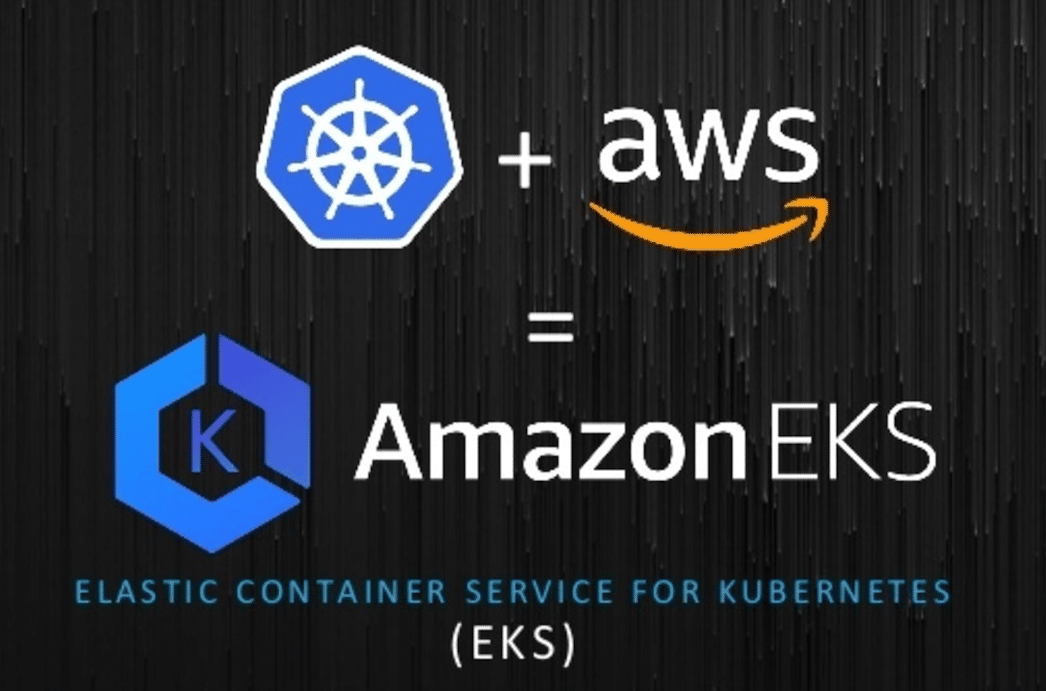
This operational drag is precisely why Amazon Elastic Kubernetes Service (EKS)exists.
EKS is AWS’s fully managed service designed to take that complexity off your plate. Think of it as outsourcing the core competency of cluster maintenance to the cloud experts. The moment you launch an EKS cluster, AWS immediately provisions a highly available control planefor you, distributing all the critical components across at least three AZs within an an AWS Region. This specialized architecture guarantees a 99.95% SLAand automatically handles patching, version upgrades, scaling, and self-healing for the cluster’s “brain.” The best part? You’ll never need to manually SSH into a master node or worry about etcd quorum again.
The true differentiator for EKS lies in its deep, native integrationwith the entire AWS ecosystem. This isn’t just Kubernetes running onEC2; it’s Kubernetes built intoAWS:
- VPC Native Networking:EKS leverages the Amazon VPC CNI (Container Network Interface), which is crucial because it assigns a native VPC IP address to every single Pod. This means your containers operate just like EC2 instances, leveraging your existing VPC security groupsfor granular Layer 4 security and streamlined networking out-of-the-box.
- Zero-Trust Identity:It seamlessly maps Kubernetes RBAC (Role-Based Access Control)to AWS IAMidentities via the OpenID Connect (OIDC)provider. This is a massive security game-changer, allowing you to grant specific AWS resource permissions directly to Kubernetes Service Accounts (IRSA), eliminating the dangerous practice of embedding static, long-lived credentials in your Pods.
- Ultimate Compute Flexibility:EKS offers unparalleled freedom for the Data Planewhere your workloads run. Choose between running on traditional EC2 instances(Managed Node Groups or self-managed) or embracing the true serverless container experience with AWS Fargate. Fargate is a game-changing abstraction—you simply define your Pod’s CPU and memory requirements, and AWS manages the underlying EC2 worker nodes entirely.
Why Do People Actually Use EKS?
EKS is built to solve those annoying, modern challenges that keep DevOps teams up at night. Here are the main spots where EKS really shines:
- Wrangling Microservices:When you split a big app into many smaller services (microservices), you need something that can scale them dynamically and keep them separate. EKS is your chief orchestrator, making sure all those moving parts are running and talking to each other smoothly.
- Hybrid and Multi-Cloud Magic:Thanks to EKS Anywhere, you don’t have to choose! You can run Kubernetes clusters on your own company’s servers, getting consistent management experience even for edge or hybrid deployments. It’s the same Kubernetes everywhere..
- Heavy Lifting for AI/ML and Data:Got a machine learning model that needs to be trained on powerful, GPU-backed servers? EKS can schedule and run those intense, containerized workloads—perfect for real-time analytics and data pipelines.
- Apps That Can’t Fail:EKS automatically spreads the cluster’s brain (the control plane) across multiple AWS Availability Zones. This means if one zone goes down, your critical, mission-critical application keeps chugging along. Hello, zero-downtime updates!
- DevOps Automation on Steroids:EKS hooks right into your favorite CI/CD tools like Jenkins and GitHub Actions. This makes automating the entire process—from coding to testing to deployment—a smooth, scalable reality.
- Smart Cost Cutting:By using AWS Fargate(the serverless compute option) and Spot Instances(spare capacity that’s much cheaper), EKS helps you slash computation costs without sacrificing performance or stability.
The Good Stuff
- No More Control Plane Headaches:AWS manages the Kubernetes “brain” for you. This saves your team a ton of time and seriously reduces your operational load.
- Rock-Solid Stability:The control plane is automatically replicated across multiple data centers (AZs), guaranteeing that your service is highly available and fault tolerant.
- Perfect AWS Integration:EKS works seamlessly with all the essential AWS services (like IAM for security, CloudWatch for logs, and Route 53 for DNS). Everything just clickstogether.
- Security Built-In:It’s designed to meet tough compliance standards (like those in finance or healthcare) with features like VPC network isolation and solid encryption.
- Maximum Flexibility:You choose how you want to run your worker nodes: on standard EC2 servers, completely serverless with Fargate, or even on your own gear with EKS Anywhere.
- It’s the Real Deal:EKS is fully Kubernetes-compliant. This means your workloads are portable—you’re not locked into AWS and can move them if you ever need to.
The Gotchas
- Still Need Kubernetes Ninjas:While EKS manages the cluster, your team still needs a good grasp of Kubernetes concepts (networking, security roles, autoscaling) to configure things properly.
- The Budget Monster:The bill can climb quickly with massive workloads or if you’re not careful about optimizing your scaling policies. Constant monitoring is key.
- Hands-Off Control Plane:Because AWS manages the control plane, you can’t get in and tinker with every single configuration setting. For extreme power users, this might feel limited.
- Update Lag:AWS schedules control plane updates. If you’re an organization that needs the absolute latestKubernetes version on the day it drops, you might have a slight wait.
What Else Is Out There?
- Google Kubernetes Engine (GKE):Google’s platform, famous for its simplicity and cutting-edge automation features.
- Azure Kubernetes Service (AKS):Microsoft’s option, which has tight integration with Azure DevOps and Active Directory.
- Red Hat OpenShift:An enterprise-focused version of Kubernetes with extra tools for DevOps, security, and lifecycle management.
- DIY Kubernetes (Kops, Kubespray):For the brave souls who want 100% controland are ready to manually handle all the infrastructure headaches.
The Road Ahead
The future of EKS is exciting! We’re seeing a shift toward more serverless options, easier orchestration of AI workloads, and better cross-cloud compatibility.
AWS is currently focusing on:
- EKS Auto Mode:Fully automating scaling and resource management, so you never have to think about nodes again.
- AI/ML Integration:Making it dead simple to use EKS with services like AWS Bedrock and SageMaker for your AI projects.
- Simplified Add-Ons:Creating an ecosystem of easy-to-install components for networking, monitoring, and security, reducing setup complexity even further.
The verdict?According to the CNCF 2024 Kubernetes Report, EKS is still the top choice for most enterprise users on AWS, primarily because of its rock-solid stability, security, and how well it fits into the rest of the AWS ecosystem.
Frequently Asked Questions about Amazon EKS
- Is Amazon EKS suitable for startups or only large
enterprises?
EKS works well for both. While large enterprises benefit
from its scalability, startups can start small with Fargate and scale later.
- Can EKS run on-premises?
Yes. EKS Anywhere allows running Kubernetes clusters on your
own infrastructure with the same management tooling as in AWS.
- Does EKS support hybrid and multi-cloud deployments?
Absolutely. EKS can integrate with AWS Outposts, EKS
Anywhere, and third-party networking solutions for hybrid environments.
- How does EKS compare to AKS or GKE?
EKS offers superior integration with AWS ecosystem services,
while GKE leads in automation features and AKS in Microsoft ecosystem
compatibility.
- What is the pricing model for EKS?
EKS charges $0.10 per hour per cluster, plus standard EC2 or
Fargate costs. Spot instances can reduce costs significantly.
ThirdEye Data’s Final Word
We here at ThirdEye Data see Amazon EKS as the absolute foundation for cloud modernization.
It gets the balance just right, givingyou enough control to customize, enough automation to keep things simple, and world-class security. This lets enterprises innovate at lightning speed while maintaining impeccable operational standards.
For any organization moving away from old monolithic apps, or anyone looking to run serious, AI-driven workloads at scale, EKS delivers the perfect blend of resilience, flexibility, and cost-efficiency.
Simply put:
EKS isn’t just about putting apps in containers—it’s about building intelligent, highly-resilient, and future-proof systems on the cloud.